
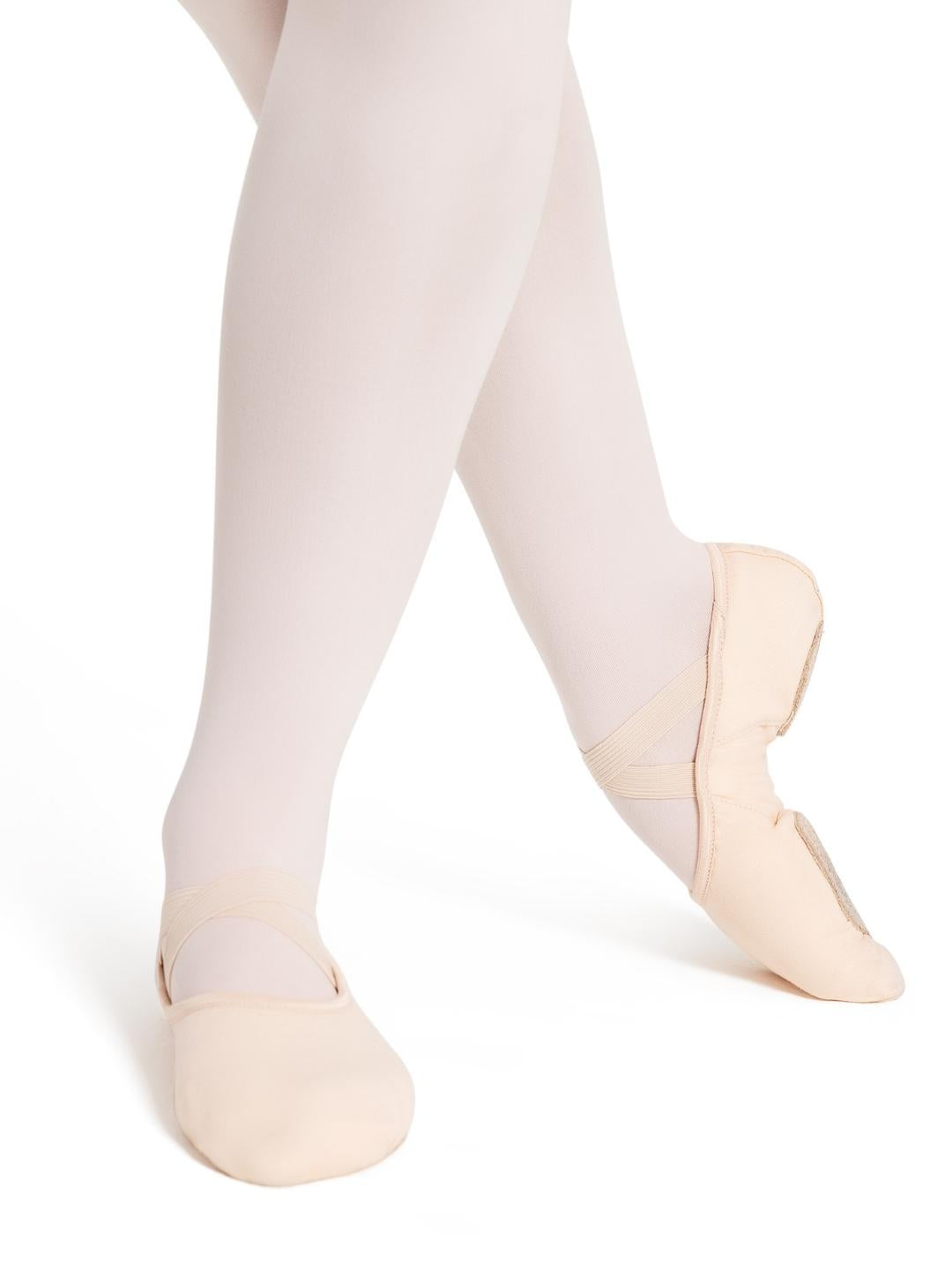


Boys & Mens Activewear Buying Guide: Finding the Right Fit for Every Activity
Finding the right activewear for boys and men can feel overwhelming, especially when you are navigating everything from dance class requirements to weekend sport and everyday movement. At Total Dance, Australia's home of premium dancewear, we know that the right gear makes a genuine difference, not just in performance but in confidence. Whether you are a dance mum searching for your son's first jazz class essentials or an adult male dancer looking to upgrade your kit, this guide is here to help you shop smarter.
Why the Right Activewear Matters for Boys and Men
Activewear is not one-size-fits-all, and that is especially true when it comes to dance and fitness. Boys and men have different range-of-motion requirements, sweat management needs, and modesty preferences compared to their female counterparts. Choosing the wrong fabric or cut can restrict movement, cause discomfort, or simply fall apart after a few classes.
The good news is that the market for boys and mens activewear in Australia has grown enormously. There are now excellent options designed specifically for male dancers and active movers at every level, from beginner recreational classes right through to elite performance.
Essential Activewear Pieces for Boys and Men
Fitted Tights and Leggings
For dance disciplines like ballet, contemporary, and lyrical, fitted tights are a fundamental part of the wardrobe. Male dancers typically wear footed or footless tights beneath shorts or over a dance belt for full coverage and freedom of movement.
When choosing tights for boys or men, look for:
- Compression fit that supports the muscles without cutting off circulation
- Moisture-wicking fabric to manage sweat during intense rehearsals
- Four-way stretch so the fabric moves in every direction without resistance
- Flat seams to prevent chafing during repeated floor work
Footless styles are particularly popular for contemporary and lyrical classes, where barefoot or sock work is common. Footed tights suit ballet and performance settings where a clean line from hip to toe is required.
Dance Shorts and Trackpants
Many boys and male dancers prefer to wear fitted shorts or trackpants over their tights for extra coverage and comfort. Shorts should sit at mid-thigh to allow full leg movement, while trackpants should taper at the ankle to avoid catching on footwear or studio equipment.
For warm-ups and cooler months, a lightweight warm-up pant in a jersey or poly-cotton blend is ideal. Look for an elasticated waistband with a drawstring for an adjustable, secure fit.
Tops and Singlets
A good dance top for boys or men needs to be close-fitting enough that a teacher can see the lines of the body and check technique, but comfortable enough to allow unrestricted arm and shoulder movement. Racerback singlets and fitted crew-neck tees in breathable fabrics are go-to options for most dance styles.
For colder studios or outdoor warm-ups, a fitted long-sleeve layer is worth keeping in the dance bag. Avoid overly baggy tops, which can hide technique and get caught during partner work or floor sequences.
Bodysuits and Undergarments
A proper dance belt or supportive undergarment is non-negotiable for male dancers, particularly those training in ballet or performing on stage. This foundational piece provides support and creates the smooth, clean silhouette required under tights and fitted performance wear.
While Total Dance stocks an extensive range of womens bodysuits and undergarments, including the Aries Womens Bodysuit Underwear - Sand, our boys and mens range includes targeted options suited to the unique needs of male dancers. Always size up if your child is between sizes to ensure comfort across the hips and seat.
Footwear Guide for Boys and Male Dancers
Tap Shoes
Tap is one of the most popular dance styles for boys, and the right tap shoe is essential for developing rhythm, technique, and sound quality. There are two main styles to consider: lace-up and slip-on.
Lace-up tap shoes offer superior ankle support and are generally recommended for beginners and younger students, as they hold the foot securely during fast footwork. Slip-on or Oxford-style tap shoes suit more advanced students who prioritise speed and flexibility.
Key features to look for in a tap shoe:
- A firm, leather or synthetic upper that holds its shape
- Quality toe and heel taps that produce a clear, resonant sound
- A supportive insole with light cushioning for long rehearsals
- A low, stable heel appropriate for the student's age and level
Total Dance stocks quality tap footwear across the range. While the Tap-On Girls & Womens Tap Shoe and Show-Tapper Womens Tap Shoe are designed for female feet, our range for male dancers includes options sized and constructed for boys and men. Always measure both feet and size to the larger foot, as tap shoes should fit snugly without pinching.
Jazz and Contemporary Footwear
For jazz classes, a split-sole jazz shoe is the preferred choice for most students. The split sole allows the foot to arch fully, which improves the aesthetics of footwork and supports flexibility development. Look for a rubber or suede sole for grip without sticking to the studio floor.
Contemporary dancers often work in bare feet or socks, though half-soles and foot undies are popular for protecting the skin during extended floor work and turning sequences.
Fabric Guide: What to Look For
Lycra and Spandex Blends
Lycra-blended fabrics are the gold standard for dancewear. They offer excellent stretch and recovery, meaning the garment returns to its original shape after being pulled and stretched through movement. A fabric with at least 15 to 20 per cent Lycra content will hold its shape through repeated washes and intense classes.
Supplex and Nylon Blends
Supplex is a soft, cotton-like nylon fabric that is lightweight, breathable, and durable. It is a popular choice for tights and fitted tops because it has a matte finish that photographs and performs well on stage.
Mesh and Ventilation Panels
For boys who run warm or train at high intensity, garments with mesh ventilation panels provide much-needed airflow without sacrificing coverage. Look for mesh panels under the arms, across the back, or along the side seams.
Moisture-Wicking Technology
Any activewear used for vigorous dance training or sport should incorporate moisture-wicking technology. This draws sweat away from the skin to the outer surface of the fabric, where it can evaporate quickly, keeping the wearer comfortable and reducing the risk of chafing and skin irritation.
Sizing Tips for Boys and Mens Activewear
Sizing is where many shoppers come unstuck, particularly when buying online. Here are some practical tips to help you get it right the first time.
- Measure, do not guess. Take a current waist, hip, and inseam measurement before consulting any size chart. Children's bodies change quickly, so measure at the start of each dance year.
- Check the size chart for each brand. Sizing varies between brands and even between product lines within the same brand. Always refer to the specific size chart for the item you are purchasing.
- Allow for growth in children's sizing. For boys who are between sizes, size up in fitted tights and shorts to allow comfortable movement and a little growing room.
- Tights should feel snug but not restrictive. If tights are rolling down at the waist or bunching at the ankle, they are the wrong size. A proper fit sits flat and smooth across the body.
- Shoes should fit with a thumbnail of space at the toe. Dance shoes wear to the shape of the foot, so starting with a little room prevents blisters and toe pain as the shoe beds in.
You can shop our full selection of boys and mens dancewear and activewear online, with detailed size guides available for every product to make the process as simple as possible.
Activewear for Different Activity Levels
Recreational Students (One to Two Classes Per Week)
For boys attending dance as a fun after-school activity, comfort and durability are the top priorities. Choose mid-range fabrics that can handle frequent washing, and prioritise pieces that can double as casual active wear outside of class. A simple fitted tee, stretch shorts, and a quality pair of appropriate footwear will cover most needs at this level.
Committed Students (Three or More Classes Per Week)
Students training at this level need activewear that can keep pace with increased demands. Invest in performance-grade fabrics with moisture-wicking and compression properties, and consider buying two sets of core pieces so there is always a fresh outfit ready for class.
Competitive and Performance Students
At competition and performance level, presentation matters alongside function. Look for high-quality, seamless constructions that photograph beautifully under stage lighting. Having a separate set of performance-quality tights and footwear that is reserved for stage use will keep them in the best possible condition for when it counts.
Frequently Asked Questions
What should boys wear to their first dance class?
For a first class, comfortable fitted shorts or trackpants and a plain fitted tee are perfectly acceptable. Once your son settles into a style, check with the studio for their specific dress code and invest in the recommended pieces. Most studios will advise on preferred footwear as well.
Do male dancers need to wear tights?
In ballet, tights are generally required as part of the dress code and are important for allowing the teacher to see the student's leg lines and technique. In jazz, tap, and contemporary, tights are often optional and many boys prefer fitted shorts or leggings. Always check with your child's studio for their specific requirements.
How often should I replace my son's dance shoes?
Dance shoes should be replaced when the sole shows significant wear, the taps become loose (for tap shoes), the upper no longer provides adequate support, or the shoe no longer fits properly. For growing children, this can mean a new pair every six to twelve months. Check the fit at the start of each new term.
Is there a difference between activewear and dancewear for boys?
Yes. While there is crossover, dancewear is specifically designed for the demands of dance training, with greater stretch, better recovery, and construction that accommodates the full range of motion used in dance. General activewear may work for lower-intensity activities but may restrict movement or wear out faster under the demands of regular dance classes.
Shop Boys & Mens Activewear at Total Dance
At Total Dance, we are passionate about supporting every dancer, regardless of age, gender, or level. Our curated range of boys and mens activewear is selected with the same care and expertise we bring to all our dancewear, so you can shop with confidence knowing every piece meets the standard Australian dancers deserve. Browse our boys and mens dancewear collection today and find everything you need to move, perform, and feel great.


