


Choosing premium dancewear in Australia is not just about looks. The right pieces directly affect how a dancer moves, how long their gear lasts, and how confident they feel in the studio or on stage. This guide breaks down what to look for across different dance styles so you can shop with purpose.
Why Fabric and Fit Matter in Premium Dancewear Australia
Dance is physically demanding. Fabric that pills, sags, or restricts movement creates a real problem in class. Good dancewear holds its shape through repeated washing, moves with the body, and sits correctly during turns, leaps, and floorwork.
For ballet, a clean line matters. Leotards need to stay in place without constant adjusting. For jazz and contemporary, you want fabric with stretch recovery so the garment bounces back after every extension. For hip hop and street styles, comfort and range of motion take priority over a fitted silhouette.
Fabric composition tells you a lot. Nylon-spandex blends are durable and hold colour well. Moisture-wicking fabrics help during long rehearsals. Soft, breathable materials like bamboo blends feel smooth against the skin and are worth considering for younger dancers who find synthetic fabrics irritating.
How to Choose by Dance Style
Ballet
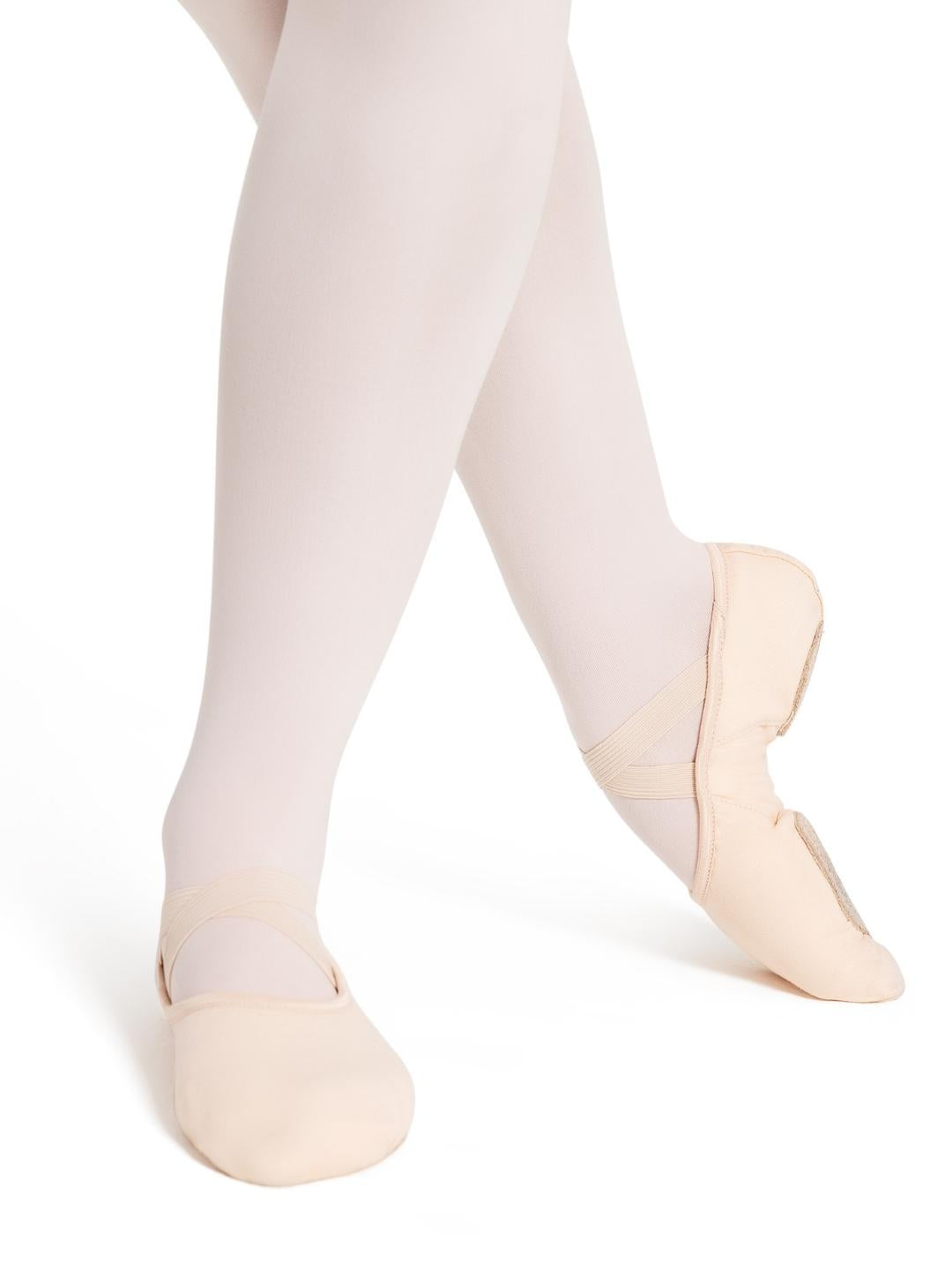
Ballet has the strictest dress code requirements of any style. Most studios specify colour, neckline, and sleeve length for leotards. Convertible tights are practical, especially for dancers moving between barefoot and pointe work. When sizing leotards for children, go by height and torso length rather than age. A child who is tall for their age will often need to size up to avoid pulling at the shoulders or crotch seam.
Look for flat seams, minimal elastic bulk, and a gusset that allows full leg extension. For adult dancers, sizing should feel snug but never restrictive across the chest or hips.
Jazz, Lyrical and Contemporary
These styles demand flexibility and freedom. Crop tops, fitted shorts, tank leotards, and high-waisted pants are all popular choices. Lyrical dancers often prefer softer, lighter fabrics that move with the body rather than against it.
If your dancer trains across multiple styles in one day, look at versatile pieces that transition easily. A good fitted crop and high-waisted brief can move from jazz to contemporary without a full costume change. For guidance on premium pants and tops built for this kind of versatility, the Elevé dancewear buying guide covers fit and sizing in useful detail.
Hip Hop and Street Dance
Comfort is non-negotiable here. Oversized tees, joggers, track pants, and layered looks are standard. Breathability matters because these classes move fast and run warm. Avoid anything too stiff or structured. Fabric needs to allow squats, drops, and freestyle movement without binding at the knees or waist.
Acrobatics and Gymnastics-Based Styles
For acro, look for leotards with a secure back, no loose panels, and good compression. The last thing a dancer needs mid-cartwheel is a leotard shifting out of place. Stirrup tights work well for floor work. Avoid embellishments or textures that create friction against a sprung floor.
Sizing Tips for Australian Dancers
Australian dancewear sizing is not standardised across all brands. Always check the brand's size chart before ordering. For children, measure chest, waist, hips, and height. For adult dancers, a leotard that fits well through the torso is more important than matching your usual dress size.
If your dancer is between sizes, consider the style of the garment. A racerback leotard with stretch fabric can often accommodate between sizes more comfortably than a structured style with a fixed back panel.
For dancers who train during their period, fit and comfort become even more important. Choosing the right base layer can make a significant difference to how a dancer feels in class. There is practical advice on managing this in our article on comfortable dance clothes during your cycle, which covers what to look for in terms of coverage, waistbands, and layering.
How to Build a Practical Dancewear Wardrobe
Start with the essentials for your primary style, then build from there. Most dancers benefit from having at least two of each core item so that one is always clean and ready. Rotate your pieces to extend their lifespan. Wash dancewear in cold water on a gentle cycle and lay flat to dry. Heat breaks down spandex fibres faster than anything else.
Investing in fewer, better-quality pieces saves money over time compared to replacing cheap gear every term. Quality dancewear keeps its shape, retains colour, and performs consistently through a full season of training.
Browse our full range of dancewear for every style and level to find pieces built for serious training. Whether you are outfitting a beginner or a pre-professional dancer, the right fit makes every class more productive.


