


Taking your performance from studio to stage is not a switch you flip on the night. It is built in the rehearsal room, layer by layer, long before you step into the lights. Dancers who understand this train differently. They prepare their body, their mind, and their stage presence as deliberately as they train their technique.
Why Studio to Stage Is a Skill You Train
Most dancers practise steps. Fewer practise performing. These are two different disciplines.
In the studio, the goal is usually to fix, correct, and repeat. On stage, the goal is to communicate. That shift in purpose changes everything about how you move, where your eyes go, and how much energy you commit to each moment.
Stage performance is learnable. It takes intentional practice, honest feedback, and the right environment to develop. If you are waiting for performance quality to arrive on the night, it rarely does. Build it in rehearsal.
How to Build Stage Presence Before Opening Night
Start Performing in the Studio, Not Just Practising
From at least four weeks out, run full sections of your choreography as if an audience is watching. No stopping. No self-correcting mid-phrase. No glancing at the mirror for reassurance.
Mirrors are useful for technical correction. They become a habit that works against you on stage, where there is no mirror and your attention needs to face outward. Practise turning your focus to an imagined audience. Commit to every count, even the ones that are not quite right yet.
Use Your Eyes Deliberately
Eye focus is one of the most undercoached elements of stage performance. Glazed or downcast eyes flatten a performance instantly. Directed, intentional focus draws an audience in.
In rehearsal, pick specific points to focus on. Practise transitions between focus points so they look purposeful rather than searching. In group pieces, know exactly where each dancer should be looking at each moment. Consistency here reads as confidence from the audience.
Rehearse in Your Costume and Shoes Early
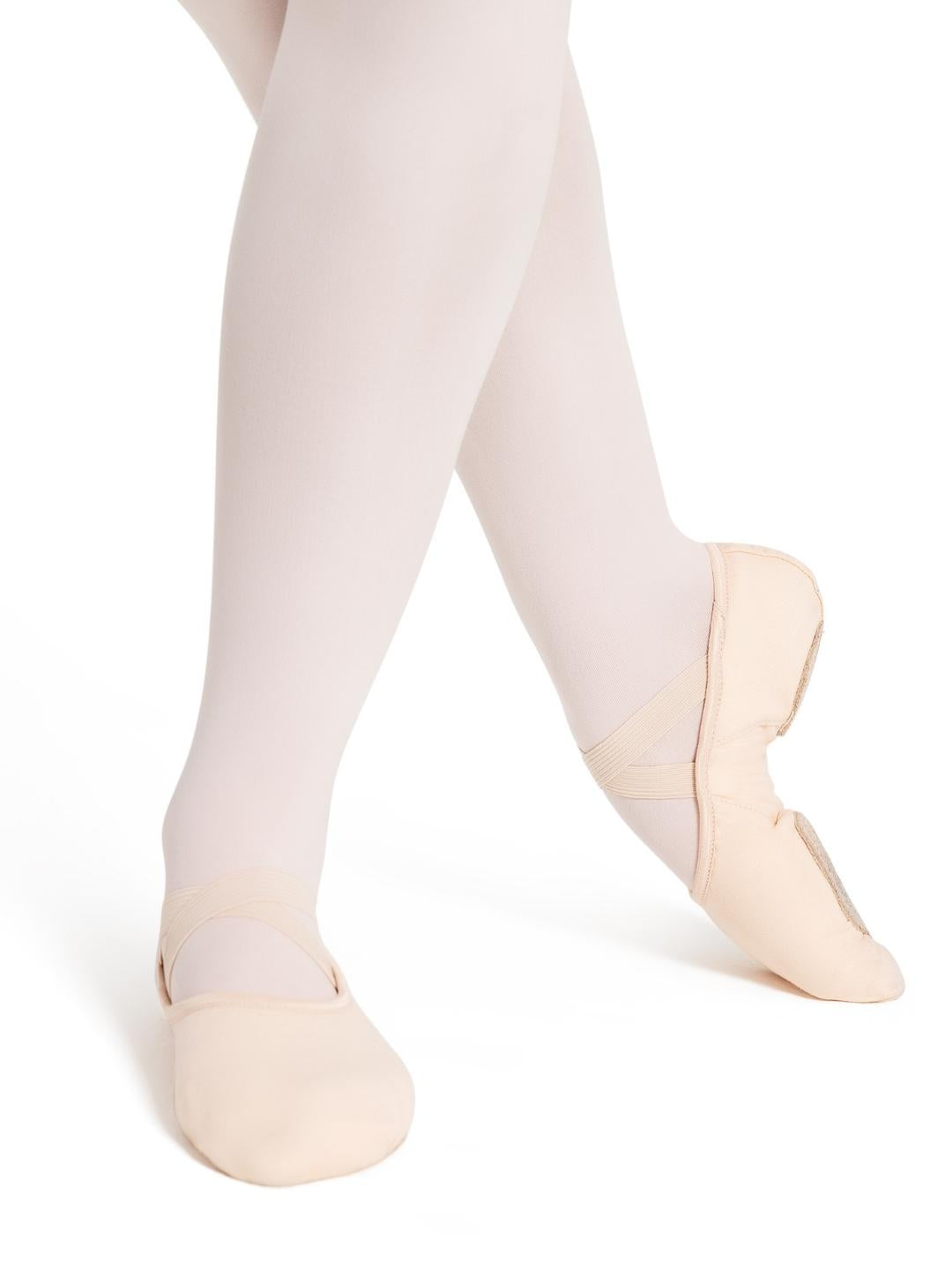
Do not wait for the dress rehearsal to move in your costume for the first time. If your costume includes a skirt, headpiece, or prop, rehearse with it. If your pointe shoes are new, break them in over several rehearsals, not overnight.
Costume fit also matters practically. A leotard that rides up or straps that slip are distractions you do not need on stage. Check fit early, and allow time to alter or replace anything that does not work. For rehearsal and stage preparation, well-fitted dancewear designed for the studio helps you stay focused on performance rather than adjusting your clothing mid-run.
Nutrition and Energy for Performance Season
Performance season often means longer hours, back-to-back rehearsals, and early call times. What you eat and drink directly affects energy, concentration, and muscle recovery.
Prioritise complex carbohydrates and protein around rehearsals. Stay hydrated throughout the day, not just when you feel thirsty. Avoid heavy meals close to performance time, which can cause discomfort during technical movement. For practical guidance on fuelling your body through training and performance periods, the advice on eating well as a dancer is worth reading before the season gets busy.
What to Pack for Performance Days
Organisation backstage reduces stress and keeps your focus where it belongs. Pack your bag the night before, not the morning of. A reliable performance day kit includes:
- Costume, tights, and all accessories in a labelled bag
- Spare tights and any backup hairpieces
- All shoes required, with elastics and ribbons already sewn
- Hair supplies, pins, hairspray, and a small mirror
- Makeup, including any stage-specific products your teacher has specified
- Snacks and a water bottle
- Sewing kit, safety pins, and double-sided tape
- Warm-up layers for backstage, where temperatures can drop between performances
Having warm layers and comfortable studio cover-up pieces matters more than most dancers expect. Staying warm between performances protects your muscles and keeps you ready to move at short notice.
Mental Preparation on the Day
Nerves are normal. They are energy your body is generating because the performance matters to you. The goal is not to eliminate nerves but to direct that energy usefully.
Arrive early enough to warm up properly. Walk the stage if you are permitted to, and note where the lights are positioned, where the wings are, and where your entrance is. Familiarity with the physical space reduces uncertainty.
Keep your focus on what you are doing rather than how you think it looks. Dancers who perform well on stage are usually thinking about the story, the music, or the person next to them rather than their own feet.
For more training insights and advice for dancers at every level, the Total Dance blog covers topics across technique, nutrition, and dancer wellbeing throughout the year.
Stage Readiness Is Built, Not Found
The dancers who perform with confidence did not find it on opening night. They developed it through deliberate rehearsal, good preparation habits, and a willingness to perform before they felt ready.
Start early. Practise performing, not just dancing. Take care of your body and your kit. The stage will meet you where your preparation left off.


