
Finding quality dancewear that fits your budget can feel overwhelming, especially with so many styles, brands, and sizes to consider. At Total Dance, Australia's home of premium dancewear, we believe every dancer deserves well-fitted, well-made gear without blowing the budget. Whether you're a dance mum kitting out a new student or a dancer upgrading your kit, this guide will walk you through exactly what to look for, what to avoid, and which styles suit which disciplines. Best of all, everything we recommend here is available through our dancewear under $100 range.
What to Look for in Quality Dancewear at Any Price Point
Price does not always equal quality, but knowing which features matter most will help you shop smarter. Here are the key criteria to apply before adding anything to your cart.
Fit and Sizing
Proper fit is the single most important factor in dancewear. Shoes that are too loose cause slipping and potential injury; shoes that are too tight restrict movement and create blisters. Always measure both feet and refer to the brand's size chart rather than assuming your street shoe size will transfer directly. Children's feet grow quickly, so check sizing every few months. That said, resist the temptation to buy a full size up to allow "growing room" in dance shoes as this creates safety risks and poor technique habits.
For clothing, look for a snug but comfortable fit that moves with the body. Leggings and crop tops should stay in place during jumps, turns, and floor work without riding up or pulling down.
Material Quality
The fabric and construction of dancewear directly affect durability, comfort, and performance. For shoes, split-sole designs offer better flexibility and floor feel than full-sole options for intermediate and advanced students. Look for reinforced stitching at high-stress points, such as the toe box and heel counter. For clothing, four-way stretch fabrics are ideal because they move in every direction with the dancer. Moisture-wicking materials help keep dancers comfortable during long rehearsals.
Dance Style Suitability
Not all shoes and clothing are interchangeable across disciplines. A jazz shoe is not appropriate for tap, and ballet flats will not support the footwork required in a tap class. Always match your dancewear to the specific style being studied. We'll break this down in detail in the next section.
Brand Reputation and Construction Standards
Established dancewear brands invest in research and fit testing across a wide range of foot shapes. Choosing reputable brands available at Total Dance gives you confidence that the product has been designed and tested for the demands of dance training, not just styled to look the part.
Comparing Popular Dance Shoe Styles Under $100
Shoes are typically the most significant investment in a dancer's kit, and the good news is that excellent options exist well within the $100 mark. Here's how the most popular styles compare.
Jazz Shoes: Versatile, Lightweight, and Essential
Jazz shoes are one of the most versatile purchases a dancer can make. They're used across jazz, contemporary, lyrical, and even some musical theatre classes. The slip-on style is particularly popular for its ease of use and clean lines on stage.
The E-Series Slip On Jazz Shoes Adult - Tan and E-Series Slip-On Jazz Shoes Adult - Black are excellent choices for adult dancers. Both feature a split-sole construction for maximum flexibility, a microfibre upper that is soft against the skin, and an elasticised opening for a secure, neat fit. The tan colourway is ideal for stage performances where a natural skin tone is required, while black suits class and performance alike.
For younger students, the E-Series Slip On Jazz Shoes Child - Caramel offers the same quality construction scaled for smaller feet. The caramel tone photographs beautifully under stage lighting and is a popular choice for eisteddfod and concert performances. When fitting jazz shoes for children, aim for a snug fit with minimal toe room. The microfibre will soften and mould slightly with wear.
Ballet Flats: Precision Fit for a Precise Art Form
Ballet shoes require particular attention to fit because even a few millimetres of extra room can affect the quality of pointe preparation work, demi-pointe exercises, and footwork clarity. For recreational and vocational students who are not yet on pointe, a well-fitted leather flat is the foundation of good technique.
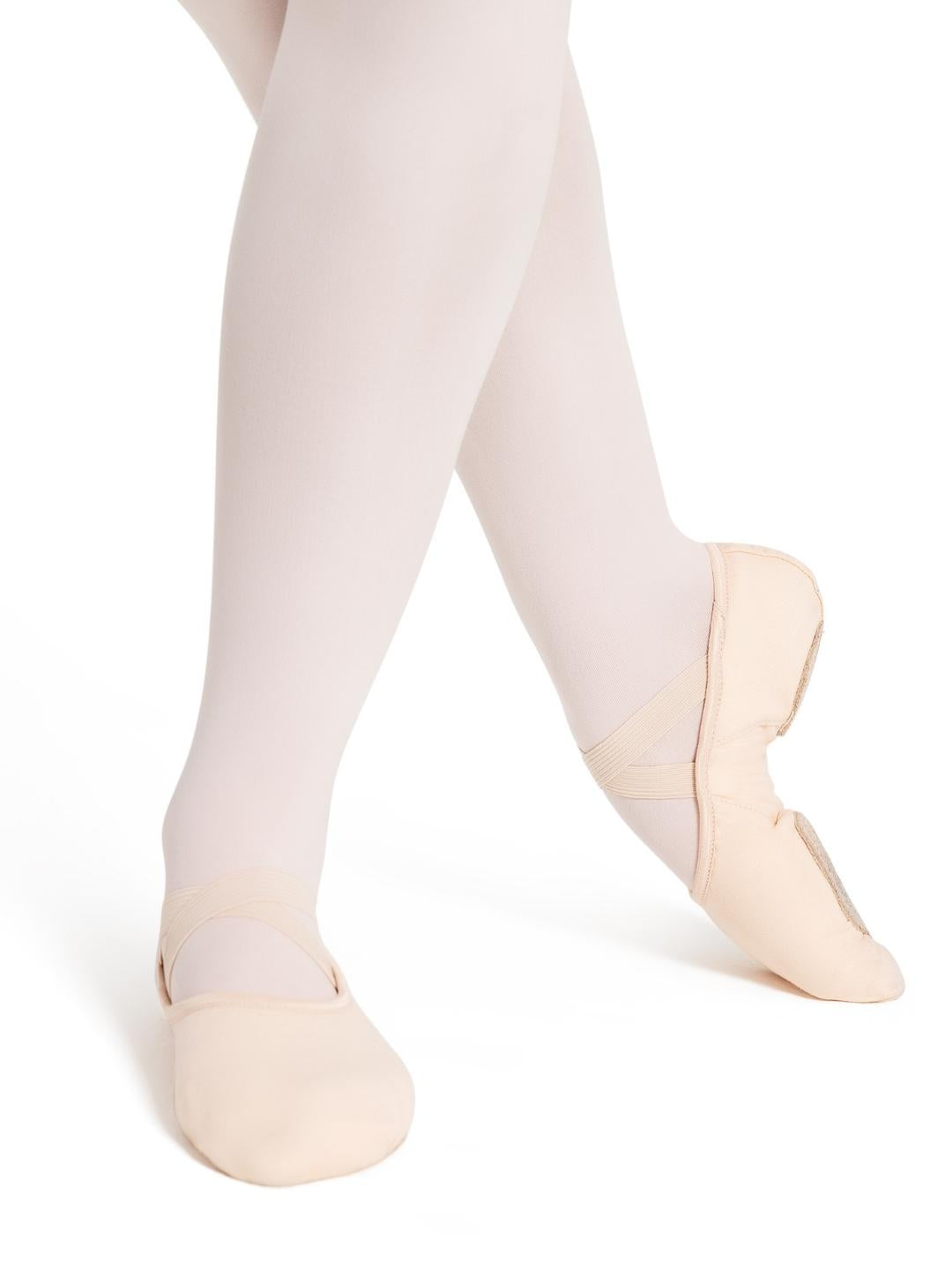
The Hanami - Leather Ballet Shoe - Adult - Light Pink is a standout option in this category. The Hanami features a drawstring closure for a customisable fit, a full-grain leather upper that softens beautifully with wear, and a pre-sewn elastic for convenience. The light pink colourway meets most studio and examination requirements. When fitting ballet flats, the toes should sit flat (not curled) with the fabric smooth over the foot. There should be no bunching at the sides or gaps at the heel.
If your student is preparing for RAD examinations or eisteddfod performances, check with their teacher about whether a full-sole or split-sole flat is preferred, as requirements do vary by syllabus and school.
Tap Shoes: Structure and Sound Quality Matter
Tap shoes are unique in that their sound quality is as important as their fit and comfort. A well-constructed tap shoe produces a clear, resonant tone rather than a dull thud or tinny clatter. The quality of the tap plate and the rigidity of the sole both contribute to the acoustic result.
The Showtime Tapper - Childs Tap Shoe is a reliable entry-level option for young tap students. It features a lace-up closure for an adjustable, secure fit, a low block heel suited to beginner and intermediate technique, and quality tap plates that produce a clear, satisfying sound. For children new to tap, a lace-up shoe is preferable to a slip-on as it provides better ankle support during the repetitive footwork drills common in early training.
When fitting tap shoes, allow slightly more room than you would for jazz or ballet, as the rigid sole means the shoe does not flex or soften with wear in the same way. Your child's toes should have a small amount of room at the front without the foot sliding forward when walking.
Building a Complete Kit on a Budget
Shoes are just one part of a dancer's kit. Clothing, accessories, and grooming essentials all add up, so planning your purchases strategically helps you stay within budget without compromising on what matters.
Clothing Essentials to Prioritise
A well-fitted leotard or crop and legging combination is the foundation of any dance wardrobe. Look for pieces that provide coverage during floor work, stay in place during turns and jumps, and are easy to layer with a warm-up skirt or wrap. The Essential Cross Back Crop, Essential Racer Back Crop, and Essential Coloured Wide Band 3/4 Coloured Band Legging are practical, hard-wearing options designed for regular class use. For colder studios or winter terms, the Mae Dance Crossover and Adults Essential Cross Over provide warmth without restricting movement.
Skirts add elegance to rehearsals and are often required for examinations or performances. The Mastery Dance Skirt, Julietta Chiffon Circle Skirt, and Childs Energetiks Wrap Skirt CS01 are all versatile options that layer well over base pieces.
Accessories and Grooming
Hair must be neat and secure for class, examinations, and performances. Stock up on the basics: Ripple Pins 50 Pack 4.5cm Black or Ripple Pins 50 Pack 4.5cm Brown are essentials for bun construction, while the Bunheads Hair Nets Auburn help keep fine fly-aways smooth. For performance days, the Satin Ballet Shoe Ribbon adds a polished finish to any ballet flat, and the Rebecca Satin Hair Bow or Flower Headband with Ribbon can complete a concert look beautifully.
For bag organisation, the Mesh Pointe Bag is a practical choice for keeping shoes separate from clothing, while the Legacy Tote Bag or Pretty Tote Bag offer generous space for a full day's kit. If your dancer attends competitions or interstate events, the Dream Duffel Gusseted Garment Bag is worth the investment to keep costumes crease-free in transit.
Ready to start building your dancer's kit? Browse our affordable dancewear options and filter by category to find exactly what you need.
Tips for Shopping Dancewear Online in Australia
Shopping online for dancewear requires a little extra preparation, but it is entirely manageable with the right approach.
- Measure before you order. Use a soft tape measure and refer to the brand's specific size chart for every product. Sizing varies between brands and even between styles within the same brand.
- Check the returns policy. Reputable Australian dancewear retailers offer clear returns and exchange options for unworn items in original packaging. Familiarise yourself with the policy before purchasing.
- Read the product description carefully. Note the sole type (full or split), the closure style (elastic, drawstring, lace-up), and the material, as these all affect suitability for your dancer's specific class requirements.
- Ask your teacher first. Many dance schools have specific requirements around shoe colour, style, or brand. Confirm these with your teacher before purchasing to avoid buying the wrong item.
- Buy accessories at the same time. Consolidating your order saves on shipping and ensures you have everything on hand for the first day of term.
Frequently Asked Questions
How do I know which dance shoes my child needs?
The best starting point is to ask your child's dance teacher, as most schools specify the required shoe type, colour, and sometimes brand for each class. As a general guide, ballet students need a leather or canvas ballet flat, jazz students need a jazz shoe, and tap students need a lace-up tap shoe with quality tap plates. If your child studies multiple disciplines, they will likely need a different pair for each style.
Can I use the same jazz shoes for multiple dance styles?
Jazz shoes are versatile and can be used across jazz, lyrical, contemporary, and some musical theatre classes. However, they are not suitable for tap (which requires a hard-soled shoe with metal tap plates) or for ballet examinations (which require an approved ballet flat). For classes that combine styles, check with your teacher about which shoe is most appropriate.
How often should I replace my child's dance shoes?
Children's feet grow quickly, so it's worth checking the fit at the start of each school term. Signs that shoes need replacing include toes pressing against the front, heels slipping, worn-through soles, or elastic that has lost its stretch. For very active students, the upper and sole of jazz shoes can also wear through with heavy use, which affects both performance and safety.
Is it worth spending more on dancewear for a beginner?
For beginners, mid-range, well-constructed dancewear is entirely appropriate and represents good value. You don't need to invest in professional-grade shoes for a child in their first year of lessons. Focus on correct fit and age-appropriate construction rather than price. As your dancer progresses and commits to regular training, it may be worth upgrading to higher-specification shoes that offer greater support and durability. You can find excellent options for every level in our shop for dancewear under $100.
