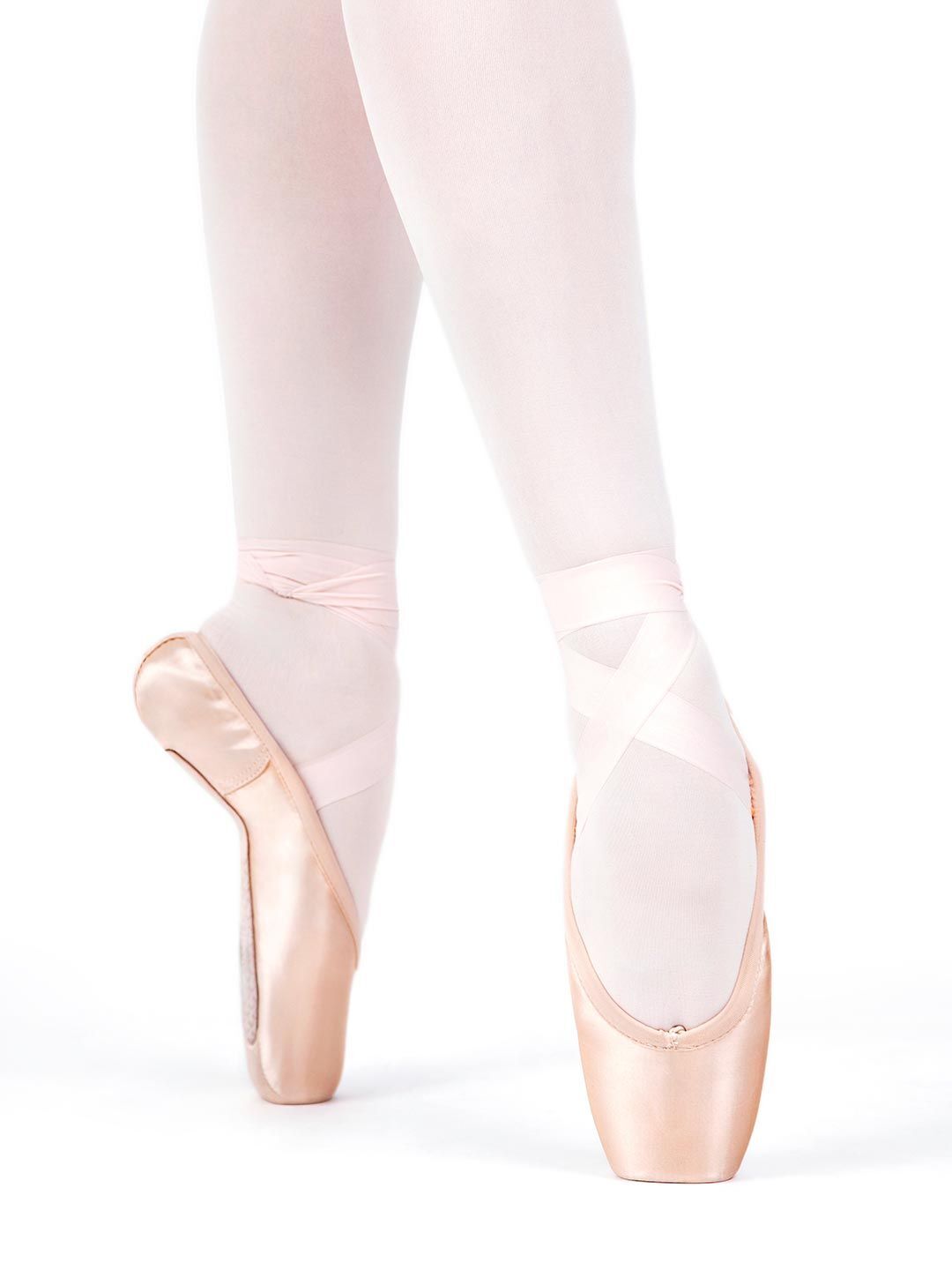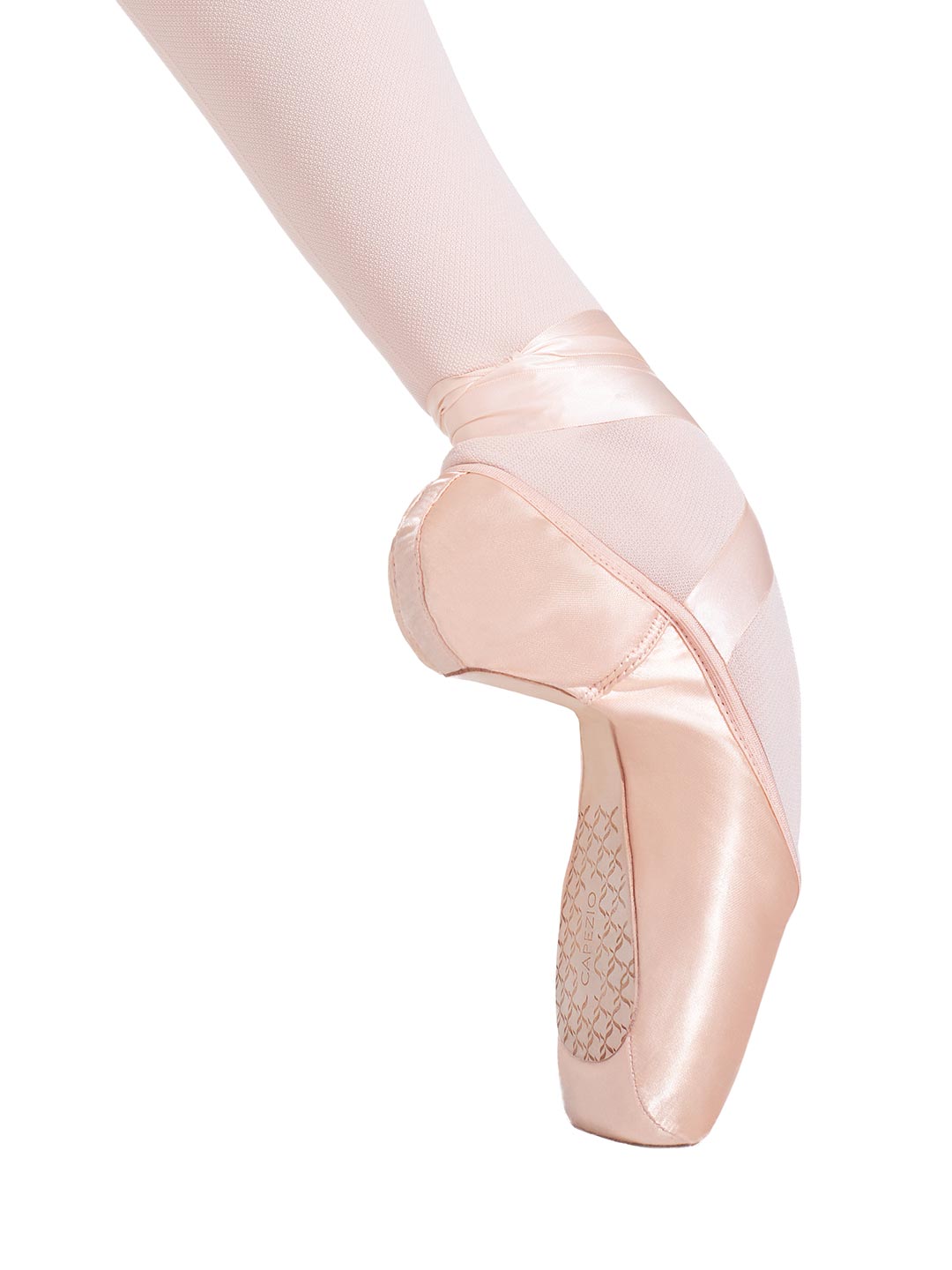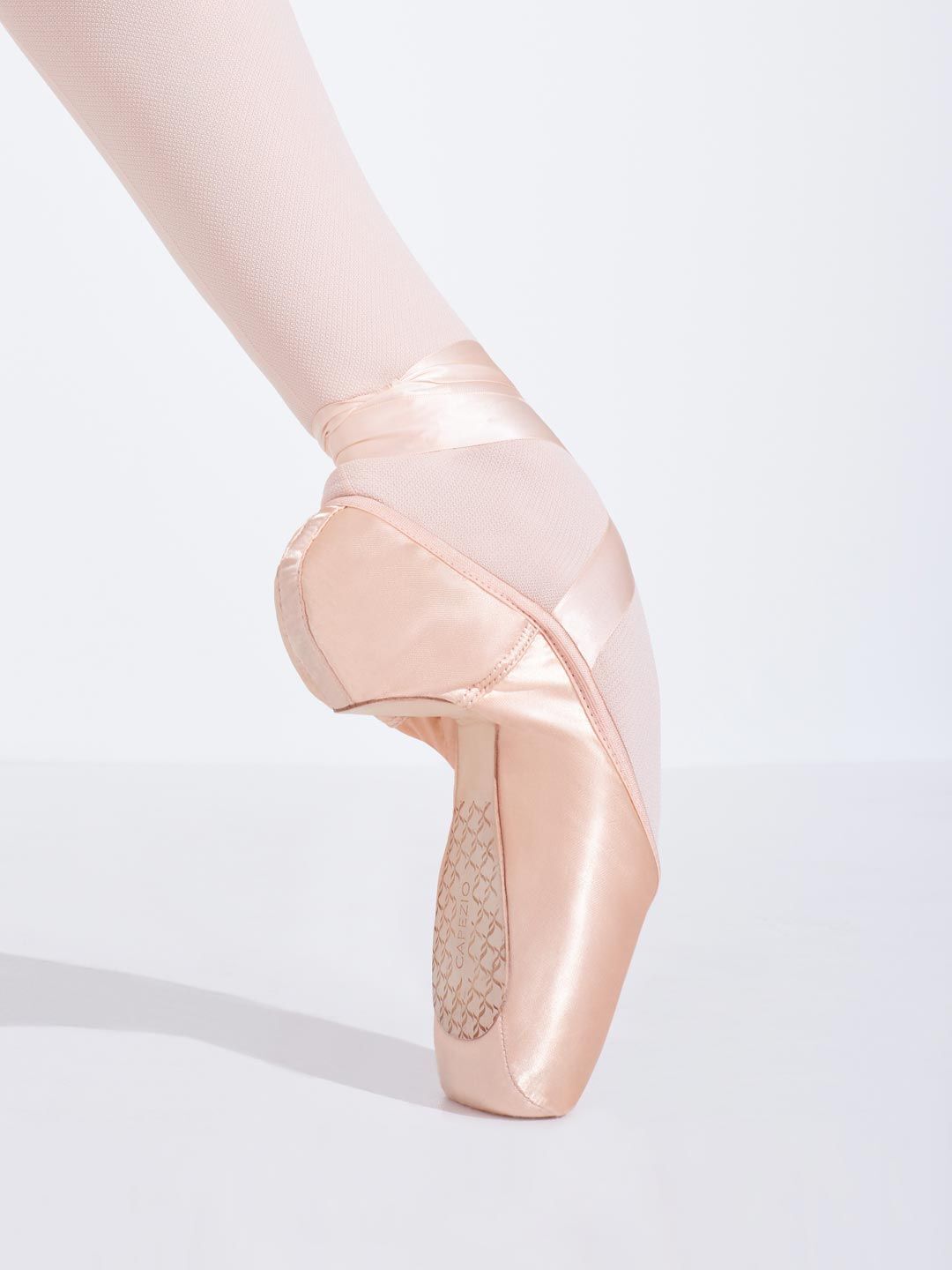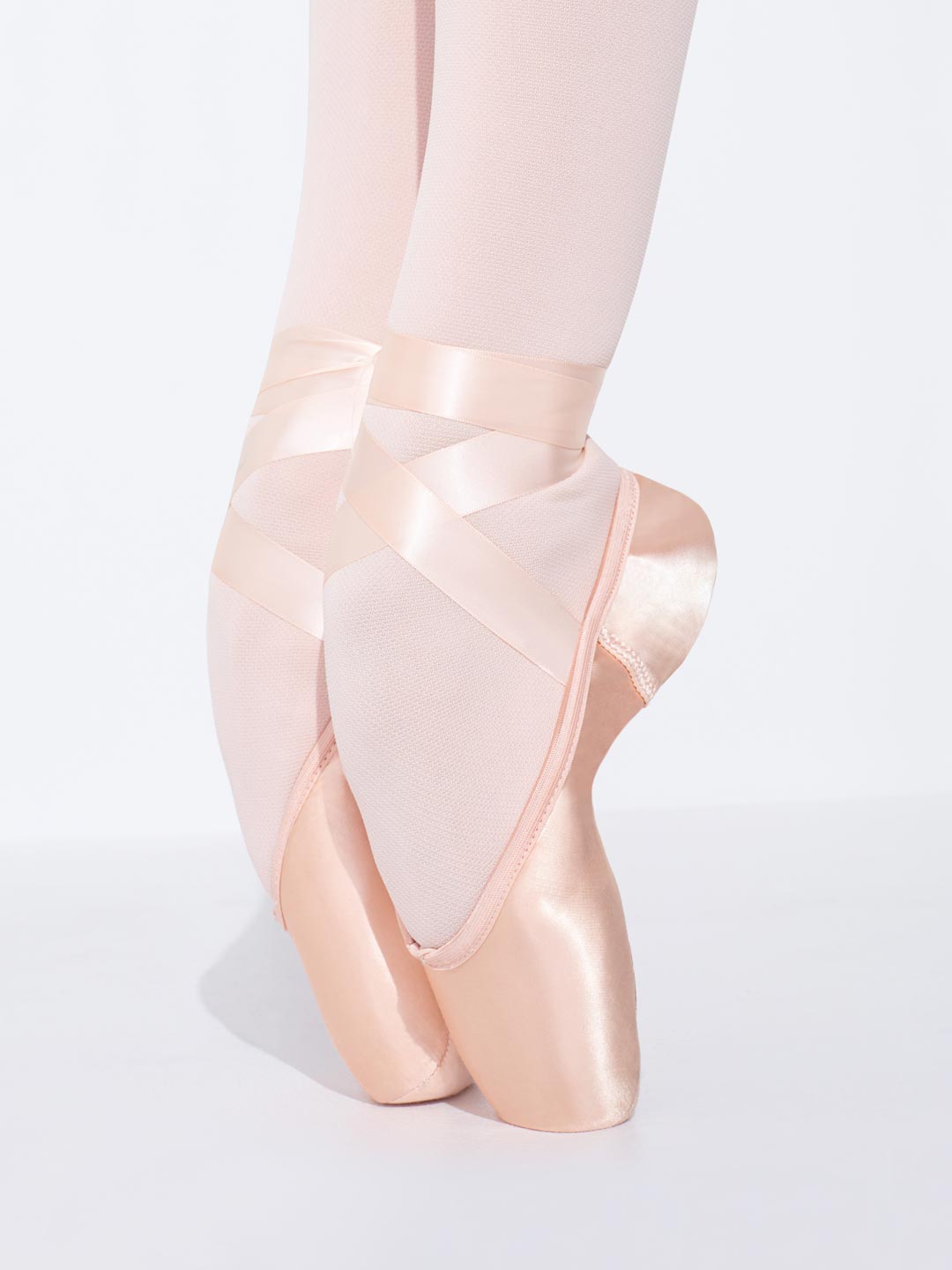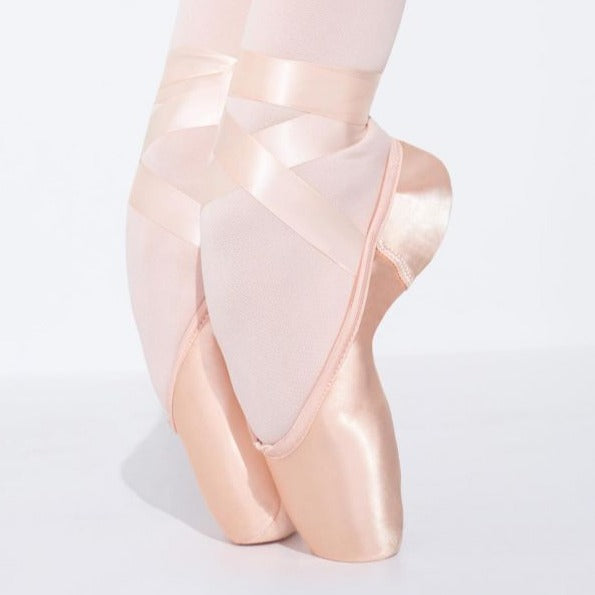
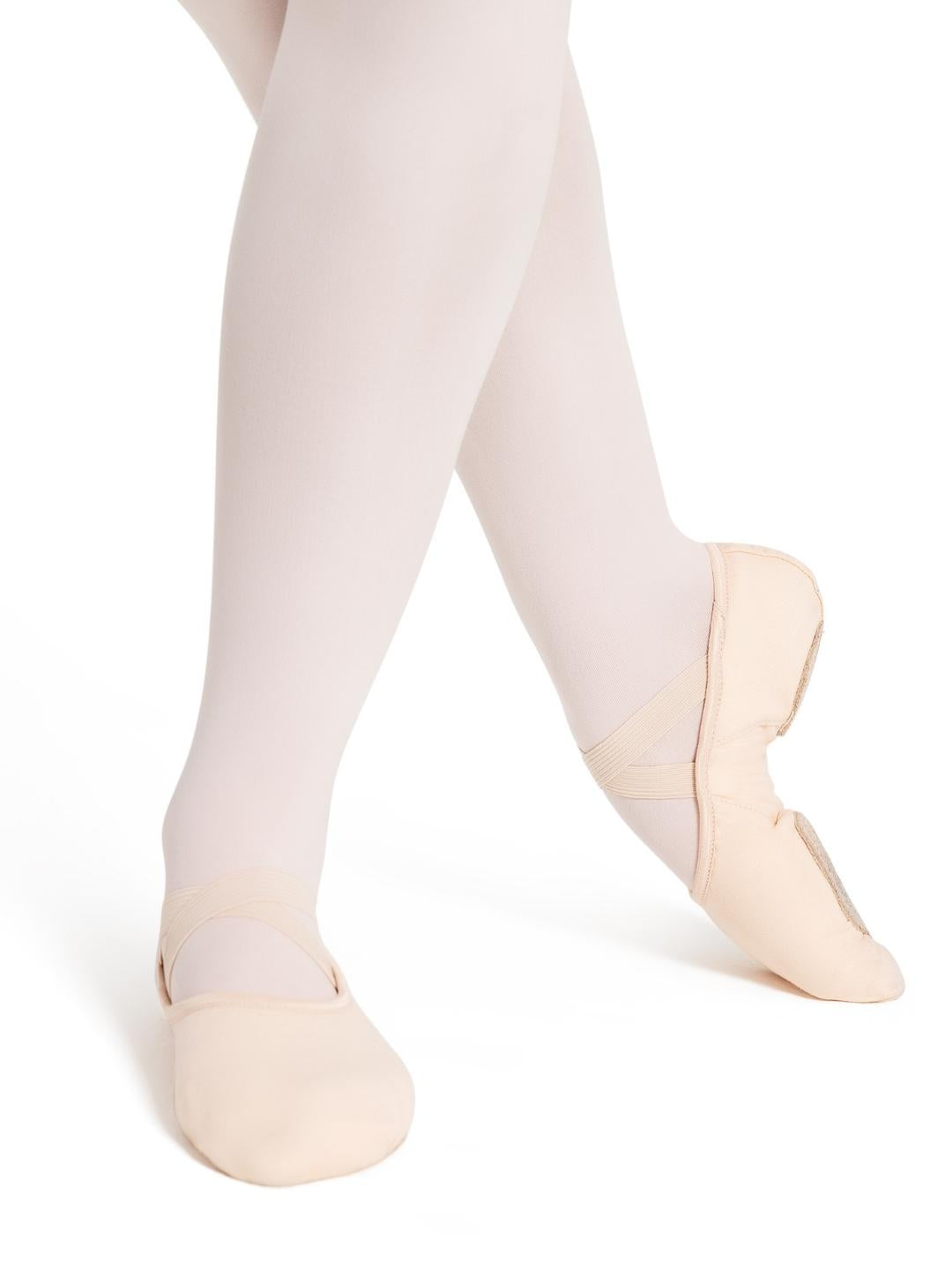
At Total Dance, we know that the moment your daughter is cleared for pointe work is one of the most exciting milestones in her dance journey. It's also one of the most daunting shopping experiences a dance parent can face. With so many styles, widths, and brands of ballet pointe shoes available in Australia, knowing where to start can feel overwhelming. This guide is here to take the guesswork out of the process, so you can feel confident every step of the way.
Is Your Child Ready for Pointe Work?
Before you even think about purchasing pointe shoes, the most important question to answer is whether your child is physically and technically ready. This decision should always rest with your child's ballet teacher, not a calendar or a birthday.
Signs of Physical Readiness
- Age: Most teachers will not consider pointe work before the age of 11 or 12. This is because the growth plates in the feet are still developing before this age, and premature pointe work can cause lasting damage.
- Bone development: Ideally, a GP or physiotherapist will assess foot X-rays to confirm that the bones are sufficiently developed.
- Ankle and core strength: Your child needs strong ankles, calves, and core muscles to safely support their weight on pointe. Teachers typically look for the ability to hold a solid relevé with control.
- Consistency of training: Most teachers recommend a minimum of three to four ballet classes per week before starting pointe work.
Signs of Technical Readiness
- Clean, controlled footwork with well-articulated feet
- Strong and stable single-leg balance
- Correct turnout from the hip, not the foot
- The ability to hold a parallel relevé on two feet without rolling inward
Always defer to your child's teacher. If they say it's time, trust their expertise. If they say not yet, resist the pressure and allow your child's body the time it needs to develop safely.
Understanding Pointe Shoe Anatomy
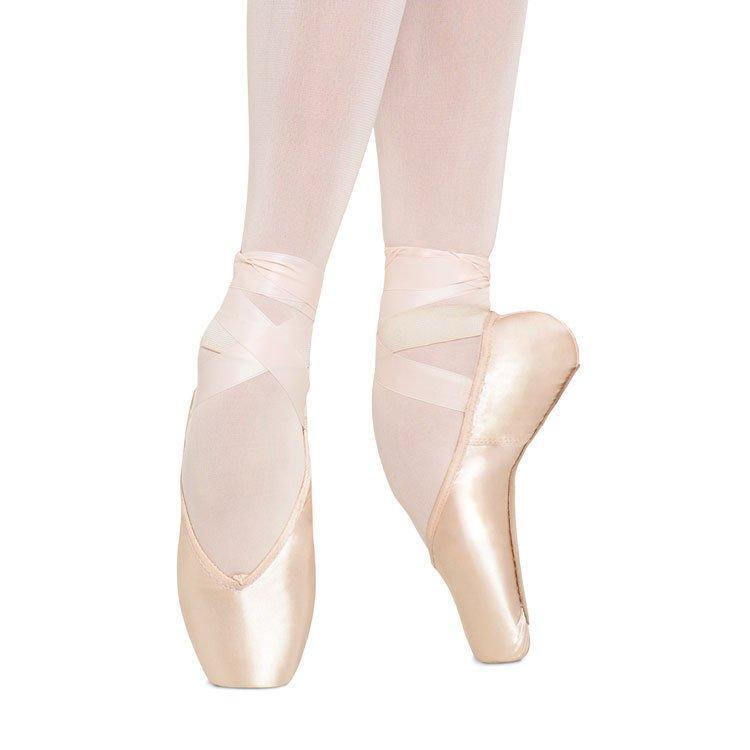
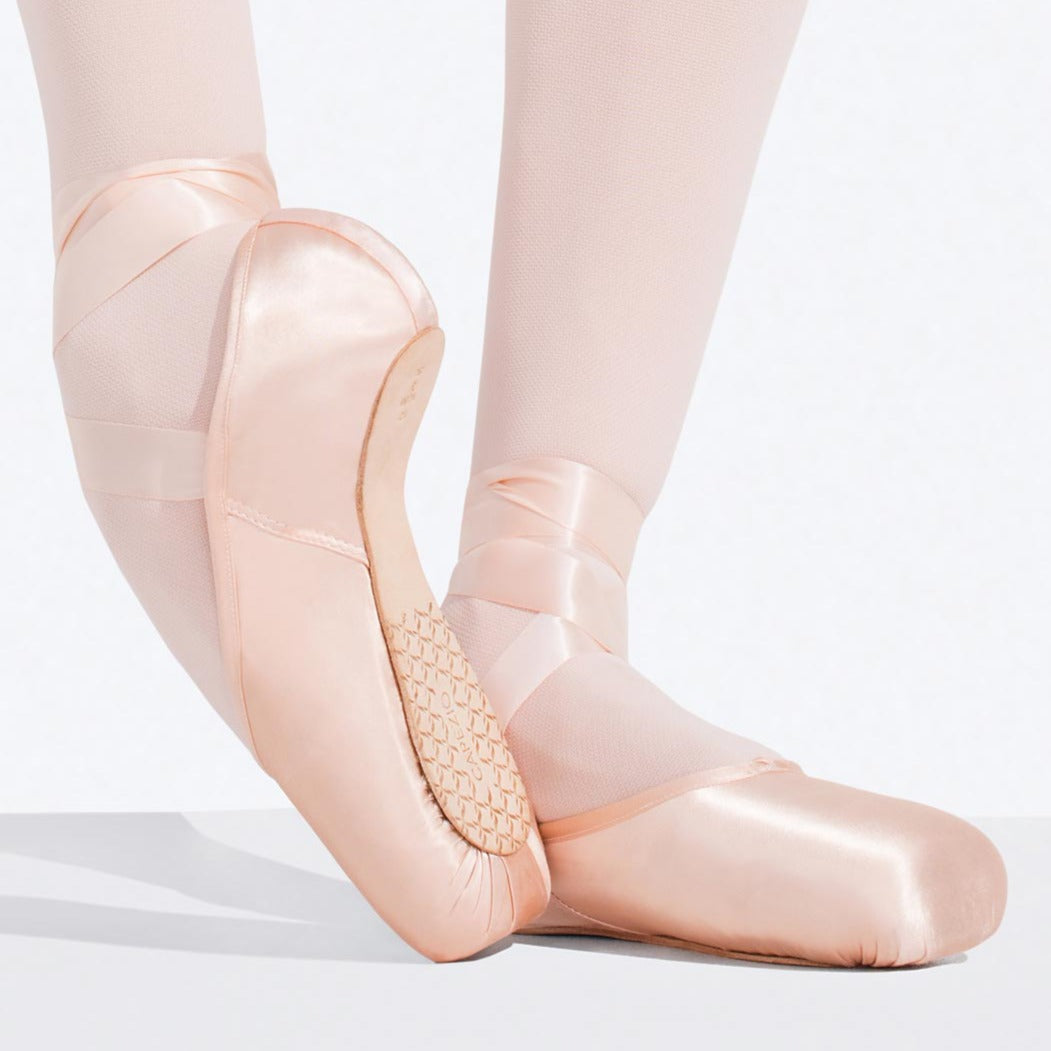
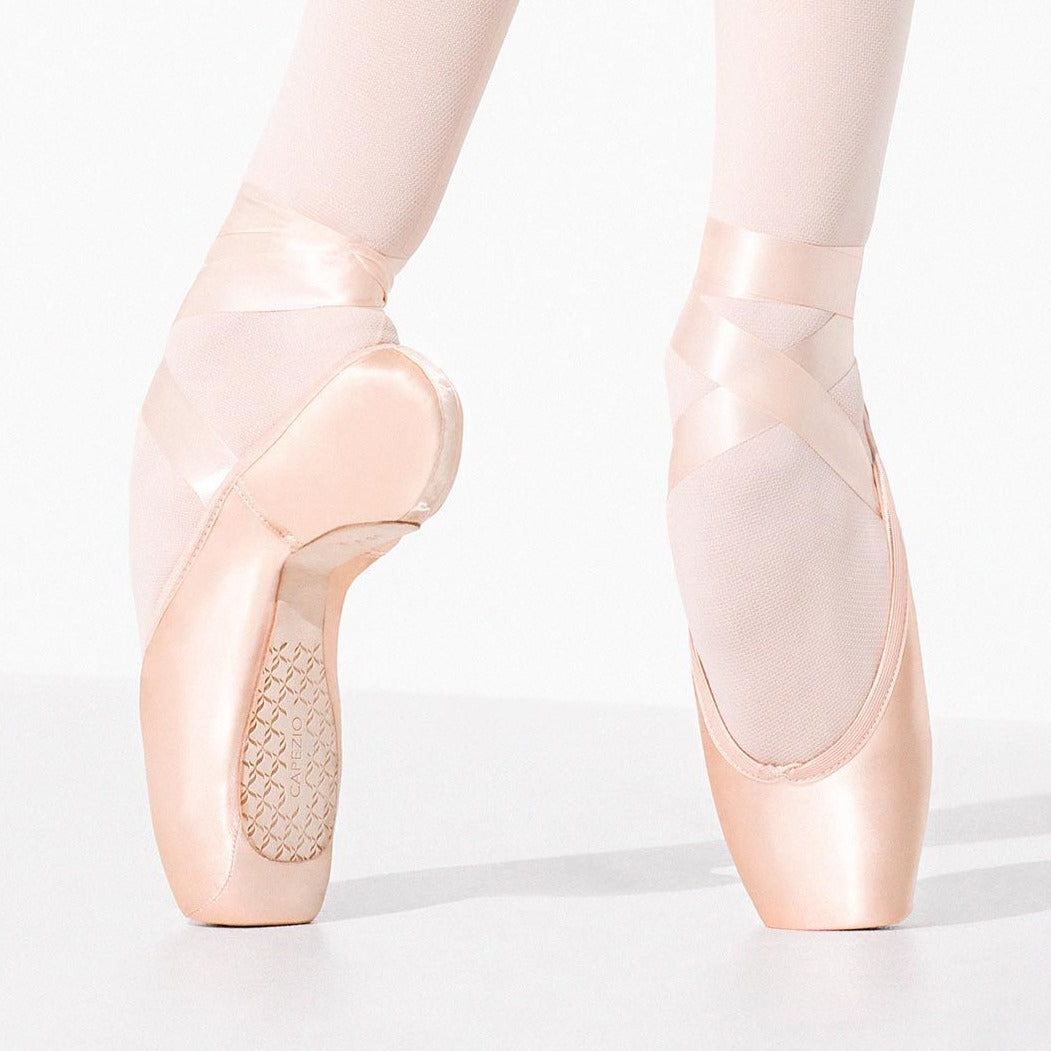
Pointe shoes look simple from the outside, but they are a precisely engineered piece of dancewear. Understanding the key components will help you make a more informed choice when shopping for ballet pointe shoes in Australia.
The Box
The box is the hard, encased section at the toe of the shoe that supports the foot when dancing en pointe. Boxes come in different shapes, including tapered, square, and medium, to suit different toe lengths. A dancer with a longer second toe may need a more tapered box, while a dancer with relatively even toes may suit a squarer shape.
The Vamp
The vamp is the length of the box from the platform to where it meets the drawstring. A longer vamp offers more support for dancers with longer toes, while a shorter vamp suits those with shorter toes or a higher arch.
The Shank
The shank is the stiff insole that runs along the bottom of the shoe and supports the arch when on pointe. Shanks are rated by firmness, typically soft, medium, or hard. Beginners and students with more flexible feet often benefit from a firmer shank for extra support.
The Platform
This is the flat surface at the very tip of the shoe that the dancer balances on. A wider platform offers more stability and is generally recommended for beginners.
How Pointe Shoes Should Fit
Fit is everything with pointe shoes. An ill-fitting pointe shoe is not just uncomfortable, it can cause injuries that affect your child's training for months. Here is what a correct fit looks like.
- Toes: The toes should be flat and lightly touching the end of the box, with no curling or scrunching. There should be no excess space at the toe.
- Heel: The heel of the shoe should fit snugly without slipping. If the heel is gaping, the shoe is too wide or too long.
- Width: There should be no pinching at the sides of the box, but the foot also should not be spilling over the platform when on pointe.
- The drawstring: When tightened, the drawstring should sit flat without causing bunching in the fabric.
Always have your child try on pointe shoes while wearing their toe pads or spacers, as this will affect the fit. Never buy pointe shoes online for a first-time fit. The first fitting should always be done in person with a trained pointe shoe fitter.
Choosing the Right Pointe Shoes: Our Top Picks
At Total Dance, we stock a curated range of quality pointe shoes to suit students at different stages of their training.
For Beginner to Intermediate Students
The 2007 PRO Pointe Shoes are a popular choice for students stepping onto pointe for the first time. Designed with a supportive shank and a comfortable box, they offer a balance of structure and wearability that helps newer students build confidence and technique. If you are looking for a reliable entry-level option for ballet pointe shoes in Australia, these are well worth considering.
For Students with a Broader Toe Box
The Airess 1131 Broad Toe Firm Pointe Shoe is specifically designed for dancers with a wider or squarer toe shape. Trying to fit a broader foot into a standard-width shoe is a common mistake, and it leads to discomfort, blistering, and even longer-term foot problems. This shoe accommodates that shape beautifully without compromising on support.
For More Advanced Students
The 2007 PRO FLEX Pointe Shoes are designed for dancers who have moved beyond the beginner stage and are looking for a shoe that offers more flexibility and responsiveness. As technique develops and the feet become stronger, many students find that a more flexible shank allows for a cleaner, more articulate line through the foot.
For students who require maximum firmness and support, the Airess 1132 Maxi Firm is worth exploring, particularly for dancers with very flexible or hypermobile feet who need that extra structural support.
Essential Pointe Shoe Accessories
Pointe shoes rarely come as a standalone purchase. Here are the accessories your child will need from day one.
- Toe pads: Gel or fabric toe pads protect the toes from friction and pressure. These are a must-have for every pointe student.
- Adhesive Toe Wrap: The Adhesive Toe Wrap from Total Dance is a practical solution for protecting individual toes, particularly the big toe, from blisters and rubbing during early pointe work.
- Ribbon and elastic: Most pointe shoes require you to sew on the ribbons and elastic yourself. Check whether these are included with your chosen shoe or need to be purchased separately.
- Ankle warm-up wear: Keeping the ankles and feet warm before class helps prevent injury. The Ankle Warm up Booties are a great addition to any pointe student's dance bag.
How Long Do Pointe Shoes Last?
This is one of the most common questions we hear from dance parents, and the honest answer is: it depends. A student doing two to three pointe classes per week can expect a pair of shoes to last anywhere from three to six months. However, a more advanced student training daily may go through a pair in just a few weeks.
Signs that a pointe shoe is dead (no longer providing adequate support) include a soft, squishy box that offers no resistance, a shank that has fully broken down, and a platform that has become uneven or deformed. Dancing in dead pointe shoes is a genuine injury risk, so it is important to monitor the condition of the shoes regularly.
Tips for Dance Parents Buying Pointe Shoes in Australia
- Always book a professional fitting with a trained dancewear specialist. Do not rely on street shoe size alone.
- Bring your child's regular ballet shoes and any toe padding they plan to use to the fitting appointment.
- Check with your child's teacher before the fitting. Some teachers have specific brand or model requirements for their students.
- Do not be swayed by aesthetics. The prettiest shoe is not always the right shoe.
- Budget for ongoing replacements. Pointe shoes are a recurring cost, not a one-off purchase.
- Store pointe shoes in a breathable bag between classes. A mesh or fabric dance bag allows them to dry out properly and extends their lifespan.
Frequently Asked Questions
At what age can children start wearing ballet pointe shoes in Australia?
Most dance teachers in Australia recommend that students do not begin pointe work before the age of 11 or 12. The primary concern is the development of the foot's growth plates. However, age is only one factor. Strength, technique, and training frequency are equally important considerations, and the final decision should always be made by a qualified ballet teacher.
How do I know if my child's pointe shoes fit correctly?
A well-fitting pointe shoe should have the toes lying flat and lightly touching the end of the box, no heel slippage, and no pinching or bulging at the sides. The fit should be tested with the toe pads your child will wear in class. Always have pointe shoes fitted in person by a trained professional, especially for a first-time fit.
What is the difference between a soft and firm shank in pointe shoes?
The shank is the stiff insole that supports the arch when dancing on pointe. A firmer shank provides more support and is generally recommended for beginners or dancers with more flexible feet. A softer shank offers more responsiveness and is typically suited to more advanced students with stronger, well-conditioned feet. Your child's teacher can advise on which shank strength is most appropriate.
How often will my child need new pointe shoes?
This depends entirely on how frequently your child trains. Students attending two to three pointe classes per week may get three to six months from a pair of shoes. More intensive students may need replacements every few weeks. Signs that shoes need replacing include a collapsed box, a broken-down shank, or an uneven platform. Never allow your child to continue dancing in dead pointe shoes.