


Australian winters might not bring blizzards, but ask any dance mum standing in a draughty studio at 7am on a Saturday and she will tell you the cold is very real. The best dance warm-up wear for Australian winter keeps muscles protected, prevents injury, and helps dancers feel ready to move the moment they walk through the studio door. This guide covers layering pieces, fabrics, and fit tips that actually work.
Why Warm-Up Wear Matters More Than You Think
Cold muscles tear. It is that simple. Dancers who skip warm-up layers are more vulnerable to strains, especially in the hamstrings, hip flexors, and calves. These are the muscles that work hardest in class and the ones that suffer most when they are not properly warm before movement begins.
A good warm-up layer is not just comfort. It is injury prevention. Teachers notice the difference in how students move when their muscles are warm from the moment they begin barre or centre work. For younger dancers especially, the body needs time and warmth to reach a safe working temperature.
Best Dance Warm-Up Wear for Australian Winter: What to Look For
Not all dance warm-up wear is equal. The fabric, fit, and construction all affect whether a piece actually does its job on cold mornings.
Fabric Choices That Work
- Fleece-lined knit: Soft against the skin and genuinely warm without adding bulk. Ideal for leg warmers and warm-up pants.
- Thermal ponte: Holds shape, moves with the body, and sits close enough to show technique. Good for warm-up shorts worn over tights.
- Bamboo blend: Silky, breathable, and moisture-wicking. Suits dancers who run warm but still need a light layer in cooler weather.
- Cotton-poly blend: Affordable and easy to wash. Fine for younger dancers, though it holds sweat against the skin more than technical fabrics.
Fit and Construction Details That Matter
- Waistbands should sit flat and not roll. A rolling waistband during class is distracting and pulls a dancer's focus.
- Leg warmers need enough stretch to pull cleanly over ballet or jazz shoes without bunching at the ankle.
- Wrap cardigans and cross-over tops should tie securely. Loose ends that unravel mid-class are a safety concern, particularly near barres.
- Sleeves on warm-up jackets should push up easily and stay put at the forearm. A cuff that slides back down every few minutes becomes a frustration quickly.
Building a Practical Winter Dance Bag
Layering smartly means dancers can peel off pieces as they warm up through class. A well-packed bag for winter looks something like this.
- Leotard and tights as the base layer, worn to the studio so the dancer is ready immediately.
- Leg warmers pulled on over ballet tights and shoes for barre work.
- A fitted warm-up cardigan or cross-over top for the start of class.
- A loose warm-up pant or track pant for before class and for waiting between numbers at competitions or eisteddfods.
- A hoodie or zip-up jacket for the car trip and for sitting in cold waiting areas.
The goal is a system that works without fuss. Dancers should be able to add and remove layers without untying shoes or disturbing their hair.
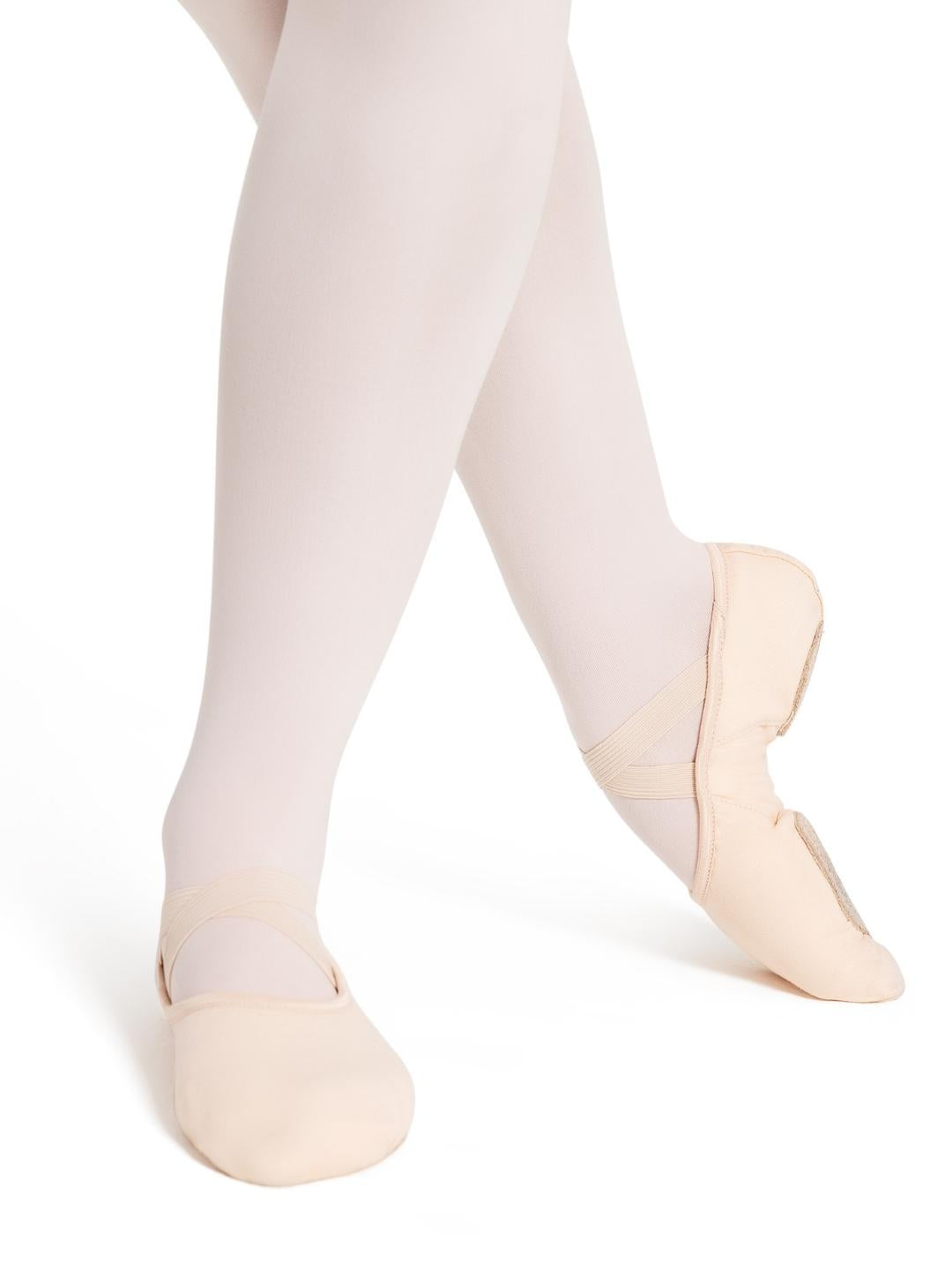
If you are still sorting out footwear for the season, it is worth understanding how dance shoes should fit across different styles, since the right shoe fit affects how warm-up layers sit around the foot and ankle.
Sizing Dance Warm-Up Wear for Growing Dancers
Dance warm-up wear is generally sized differently to school uniforms or casual clothes. Most brands use a combination of age, height, and hip measurement. Always check the size chart for the specific brand rather than assuming your dancer's usual clothing size will transfer.
For warm-up pants and skirts, measure the natural waist and hips. For cardigans and tops, shoulder width and torso length matter most. A cardigan that is too long in the body will sit awkwardly over a leotard and restrict movement through the waist.
Leg warmers are usually sized as small, medium, or large and correspond to calf circumference and length. Most primary school-aged dancers fit a small. Secondary students will likely need a medium or large depending on their build.
If your dancer also competes or sits exams, double-check that their warm-up pieces are acceptable under the relevant syllabus rules. Australian exam uniform requirements for RAD, Cecchetti, CSTD, and ATOD can be specific about what is permitted during warm-up and waiting periods.
When to Replace Warm-Up Wear
Warm-up wear works hardest of any item in a dance bag. It gets pulled on and off, washed frequently, and worn in waiting rooms, car parks, and cool-down stretches on studio floors. Replace pieces when the fabric pills heavily, elastic loses its recovery, or seams begin to separate. A leg warmer that slips down constantly offers no real warmth or support.
For dancers progressing toward pointe work, keeping muscles consistently warm through Australian winter is especially important. Paired with proper footwear, warm layers support the foot and ankle health that pointe work demands. Our guide on choosing the right ballet pointe shoes covers what else parents need to know at that stage.
Browse our range of dance footwear for every style and level to complete your dancer's winter kit.


