
The new dance year is one of the most exciting times for young dancers and their families. Whether your child is stepping into their very first ballet class or returning for another year of jazz and contemporary, being prepared from day one sets them up for confidence, comfort and success. At Total Dance, we know how overwhelming it can be to figure out exactly what your dancer needs, which is why we've pulled together this complete dance school supplies checklist to make your back-to-dance shopping as smooth as possible.
Why a Dance School Supplies Checklist Matters
Dance schools often have specific uniform requirements, and turning up to class without the right gear can knock a child's confidence before the music even starts. A well-prepared dance bag not only keeps your dancer organised, it also signals to teachers that your family takes the commitment seriously. Think of this checklist as your go-to guide for every item your dancer needs, from the studio floor to the car park.
The Essential Dance School Supplies Checklist
1. Leotards
The leotard is the foundation of any dancer's wardrobe. Most dance schools specify a particular colour or style, so always check your studio's uniform policy before you shop. A well-fitted leotard allows teachers to see the body's alignment clearly, which is essential for correct technique.
- For beginners and younger dancers: Look for simple, comfortable styles with good stretch. The Adults Essential Camisole Leotard is a popular choice for older beginners, while younger students often suit a classic cami style.
- For more advanced dancers: Styles like the Adults Essential Long Sleeve Leotard or the Adults Essential 3/4 Sleeve Leotard offer more coverage for cooler months and work beautifully for lyrical and contemporary classes.
- Buying tip: Purchase at least two leotards so you always have a clean one ready. Rotate them to extend the life of each garment.
2. Tights
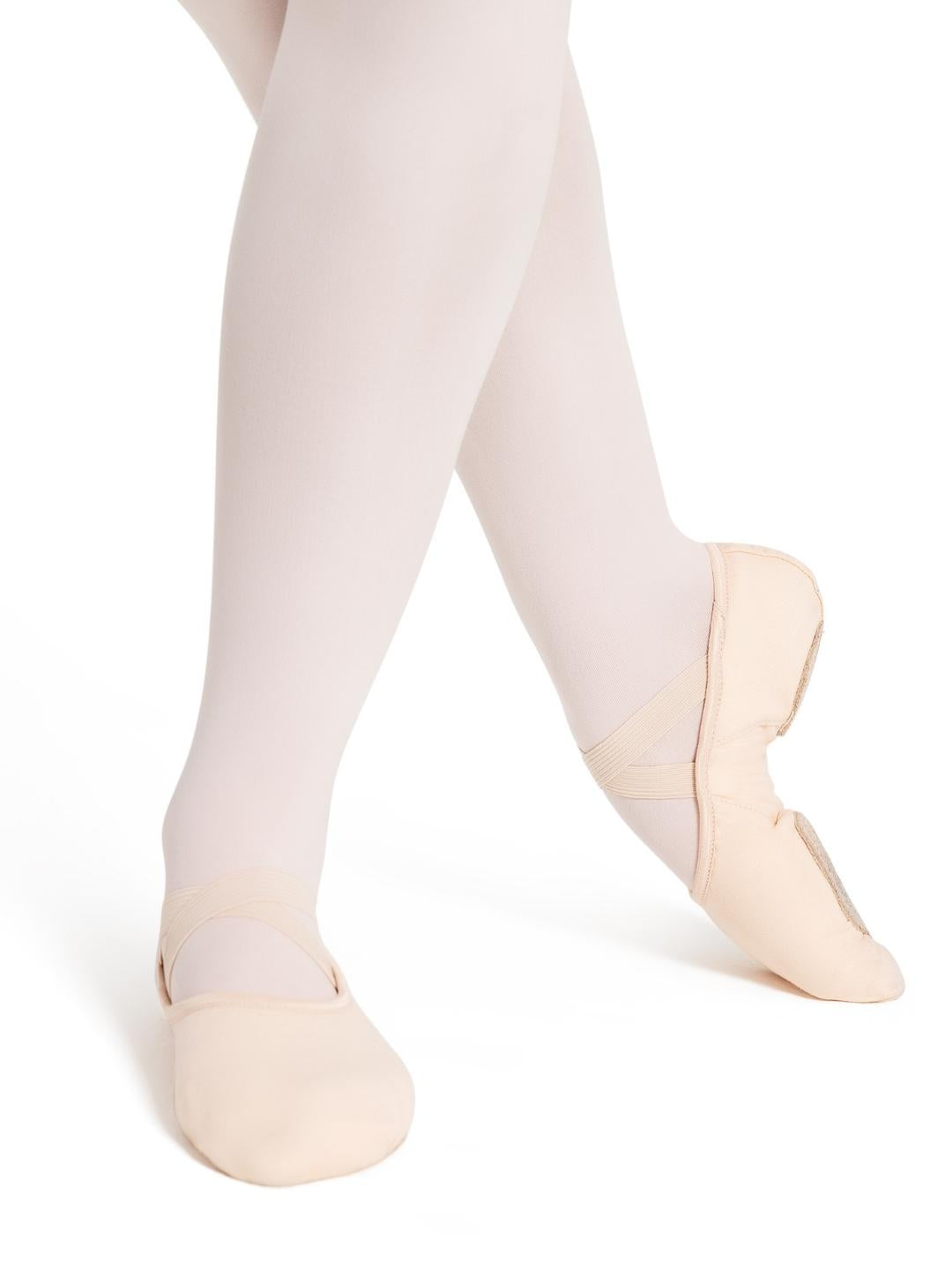
Dance tights are very different from regular hosiery. They are designed to move with the body, resist laddering during active use and maintain their shape wash after wash. Most studios require ballet pink or tan tights for ballet classes, while jazz and contemporary classes may allow footed, footless or stirrup styles.
- Always buy at least three pairs so you are never caught short on class day.
- Check whether your studio requires convertible tights, which can be worn with or without the foot, for maximum versatility across dance styles.
- Store tights carefully after washing to avoid snags.
3. Dance Shoes
Proper dance shoes protect young feet, support correct technique and are a non-negotiable part of any dance school supplies checklist. Wearing the wrong shoes, or wearing street shoes in the studio, is unsafe and disrespectful to the dance space.
- Ballet: Soft leather or canvas ballet flats for beginners. More advanced students may eventually require pointe shoes, which should always be fitted by a qualified fitter.
- Jazz: A jazz shoe with a split sole allows for excellent foot articulation. The Academy Character Shoes are a great option for students moving into character or jazz-based work.
- Tap: Tap shoes come in lace-up or buckle styles. Ensure the toe and heel taps are secure before each class.
- Buying tip: Have shoes fitted properly at a dancewear retailer rather than guessing online. Children's feet grow quickly, so check the fit at the start of every new term.
4. Dance Bag
A dedicated dance bag keeps everything together and teaches children responsibility for their own gear. Look for a bag that is roomy enough to hold shoes, a spare leotard, water bottle and snacks, but not so large it becomes cumbersome for a young child to carry.
The 'I Love Dance' Bag is a sweet, practical option that young dancers absolutely love. It is sturdy, spacious and sends a clear message about what this child is passionate about. For dancers attending multiple classes or carrying extra gear, a larger tote or backpack-style bag may be more suitable.
5. Hair Accessories
Neat, secure hair is a safety requirement in dance, not just an aesthetic preference. Loose hair can obstruct vision during turns and distracts both the dancer and the teacher. Most ballet schools require hair to be worn in a bun, while other styles may allow hair tied back in a ponytail.
Build a solid hair kit that lives permanently in the dance bag:
- Bobby pins: You can never have too many. The 999 2" Bobby Pins are a reliable, affordable staple. For a little extra sparkle on performance days, try the 5cm Gold and Bronze Bobby Pins or the 5cm White, Silver and Black Bobby Pins to complement a costume.
- Hair nets: Fine hair nets in a colour matching your dancer's hair keep the bun smooth and tidy throughout class.
- Hair ties and pins: Keep a small zip-lock bag in the dance bag stocked with elastics, pins and a small comb.
- Buying tip: Pin the name of your child inside their dance bag and on the inside of each shoe. Dance schools can get very busy and items are easily misplaced.
6. Warm-Up Layers
Muscles warm up more efficiently when they are kept warm, particularly in cooler months or in air-conditioned studios. A warm-up layer worn over the leotard before class and during breaks is an important part of injury prevention.
- Look for wrap cardigans, warm-up shorts or leggings that are easy to pull on and off quickly.
- The Adults Essential Cross Over is a beautiful, functional option for older dancers that transitions seamlessly from warm-up to cool-down.
- Ankle warm-up booties are a favourite among ballet dancers for keeping feet and ankles supple before barre work.
7. Dance Accessories and Extras
A few extra items make a big difference to the overall dance school experience:
- Water bottle: A clearly labelled, leak-proof water bottle is essential. Proper hydration supports focus and physical performance.
- Snack: For dancers attending back-to-back classes, a healthy snack kept in the bag prevents energy dips.
- Spare tights: Tights ladder at the most inconvenient times. A spare pair in the bag is a lifesaver.
- Small first aid items: Blister plasters and the Adhesive Toe Wrap are worth keeping on hand, especially for dancers breaking in new shoes.
- A4 Display Book: Older dancers or dance school students studying theory or exam syllabi will find an A4 Display Book handy for keeping notes, syllabi and certificates organised.
Tips for Shopping on a Budget
Dancewear is an investment, but there are smart ways to manage costs without compromising on quality.
- Check the Total Dance website regularly for sales and specials. The $5 Special section is a great place to pick up accessories and extras at a fraction of the usual cost.
- Buy a size up in leotards and tights if your child is between sizes, as dancewear is designed with stretch and will accommodate a little growing room.
- Invest in quality shoes and economise on accessories. Footwear directly impacts technique and joint health, so this is not the place to cut corners.
- Join your studio's parent group or noticeboard. Many families sell outgrown dancewear in great condition at reduced prices.
How to Label and Care for Dancewear
Dancewear lives a hard life, which makes proper care essential for longevity. A few simple habits will keep your investment looking its best.
- Hand wash or machine wash on a gentle cycle in cold water using a mild detergent.
- Never put dance shoes in the washing machine unless the manufacturer specifically states it is safe.
- Allow tights and leotards to air dry rather than using a dryer, which can damage elastic fibres.
- Label everything clearly with a permanent fabric marker or iron-on name tag, including shoes, bags and accessories.
Frequently Asked Questions
What should I put in my child's dance bag?
A well-packed dance bag should include the correct leotard and tights for the style being studied, clean dance shoes, a water bottle, a healthy snack, spare tights, bobby pins, hair ties, hair nets and any warm-up layers required. For older students, a notebook or display book for theory notes is also useful.
How many leotards does a child need for dance school?
Most dance families find that two to three leotards per style is ideal. This allows for rotation between classes, washing and drying time, and means you always have a clean, ready leotard on class day. If your child dances five or more days per week, consider having four on hand.
When should I buy new dance shoes?
Check the fit of dance shoes at the start of every new term and at the mid-year point. Children's feet grow quickly and a shoe that fitted well in January may be too small by July. Signs that shoes need replacing include toes pressing against the end of the shoe, heels slipping, or the sole separating from the upper.
What hair accessories do I need for dance class?
The core hair kit for a dance student includes fine elastics, bobby pins in a colour matching the dancer's hair, a hair net for bun styles, and a small comb or brush. It is worth keeping a dedicated pouch of hair supplies permanently in the dance bag so nothing is ever forgotten on class day. Total Dance stocks a wide range of bobby pins and hair accessories to suit every dancer.
