
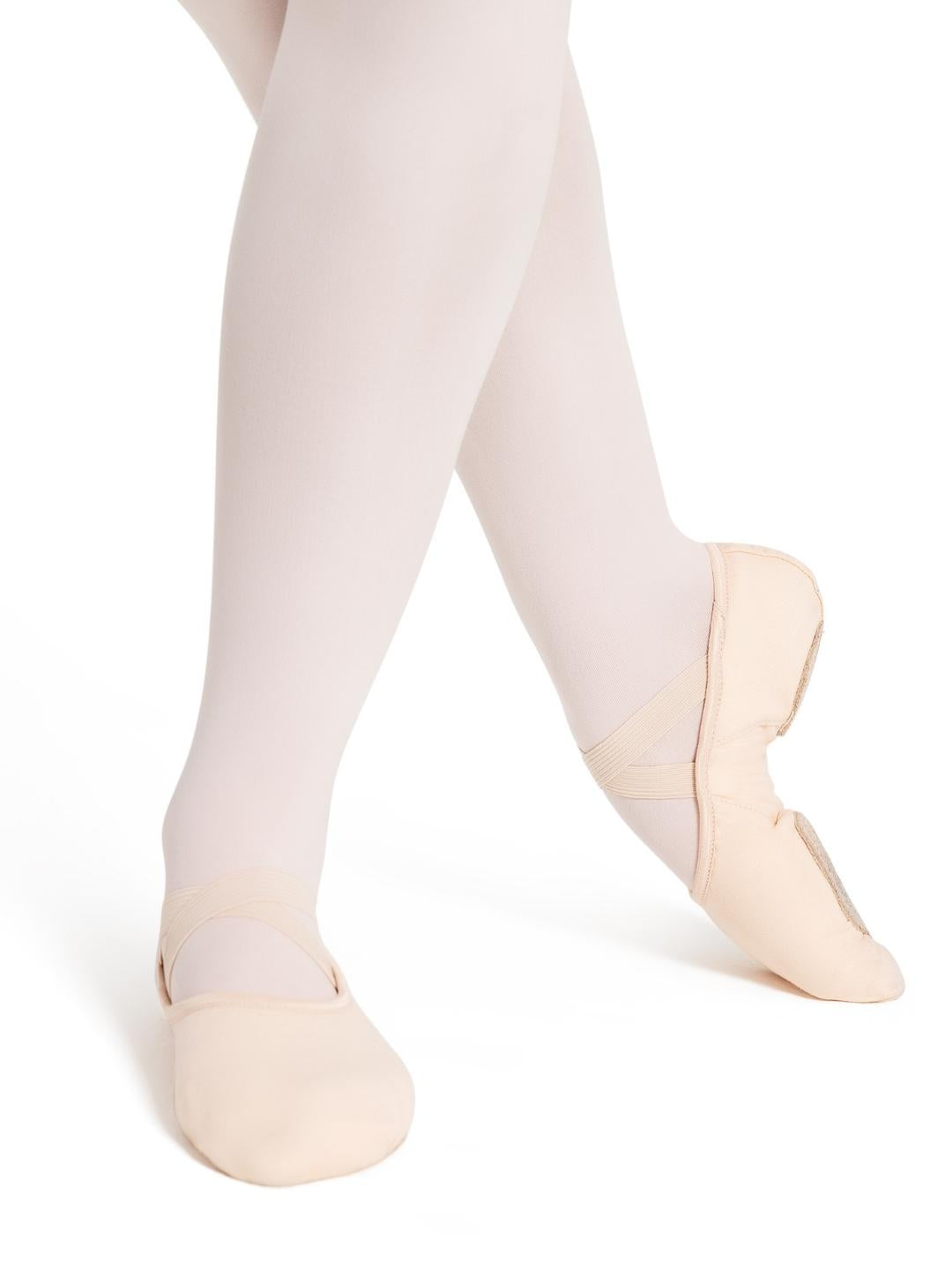


Pulled a fresh pair of tights from the wash only to find a run creeping up the leg? It is one of the most frustrating moments in a dance family's week. Caring for your dance tights properly is the single best way to make them last longer and stretch your dancewear budget across the season. A few consistent habits make a real difference.
Why Dance Tights Wear Out So Fast
Dance tights are made from delicate nylon and elastane blends. They stretch constantly, rub against studio floors, and go through more wash cycles than most garments. Pointe shoes, tap shoes, and bare timber floors are all rough on fine knit fibres. Without proper care, even a quality pair of footed tights can develop runs or thin patches within weeks.
The waistband and foot panel take the most stress. Nails, rough skin on heels, and the friction of shoe interiors all contribute. Understanding where the damage starts helps you prevent it.
How to Wash Dance Tights Without Wrecking Them
Washing is where most tights meet their end. The tumble dryer, hot water, and harsh detergents are the three biggest culprits.
Machine washing
Turn tights inside out before washing. Place them in a mesh laundry bag to prevent snagging on zips or other garments. Use a cold, delicate cycle only. A small amount of gentle, low-enzyme detergent is all you need. Skip the fabric softener, it breaks down elastane over time and reduces stretch recovery.
Hand washing
Hand washing is the gentler option and significantly extends the life of your tights. Fill a basin with cool water and a few drops of gentle detergent. Swirl the tights gently, never wring or twist them. Rinse thoroughly, press out excess water between two towels, then lay flat or hang to dry in the shade.
Drying
Never put dance tights in the dryer. Heat breaks down elastane fibres rapidly. Avoid direct sunlight for extended periods as it degrades the colour and weakens the knit. Hanging in a cool, shaded spot is the best approach.
Handling and Storage Tips That Actually Help
Washing is only part of the equation. How tights are handled before and after class matters just as much.
- Trim toenails and fingernails before putting tights on. A sharp nail edge is the most common cause of instant runs.
- Roll tights down gently to remove rather than pulling from the toe end.
- Check the feet of tights for small holes before each wear. A tiny hole becomes a full run within one class.
- Store tights flat or loosely folded, never bundled tightly into a ball.
- Keep a spare pair in the dance bag at all times. Runs happen at the worst moments, usually five minutes before class.
Speaking of the dance bag, an organised bag means tights are less likely to get crushed, snagged, or forgotten at the bottom under shoes. If your current bag makes it hard to keep dancewear in good condition, it is worth looking at purpose-built dance bags that have dedicated compartments for smaller items. Our guide to choosing the right dance bag in Australia covers what to look for at every price point.
What to Do When Tights Get a Run
A small run does not always mean the tights are finished. Clear nail polish applied to each end of the run can stop it from travelling further. It is not a permanent fix, but it will get you through the rest of the season if the damage is minor and away from a high-stress area like the foot panel.
For runs in the foot, there is rarely a good repair. Footed tights with damage at the heel or toe should be converted to stirrup tights if possible, by carefully cutting away the foot panel and hemming the edge. This only works for some styles, so check the construction of your particular tight first.
Getting the Right Fit From the Start
Tights that are too small are under constant extra tension and wear out much faster. Tights that are too large bunch at the ankle and catch on everything. Correct sizing is a genuine care strategy, not just a comfort issue.
Leotard and tight sizing in Australia follows girth measurements rather than age alone. The same principle applies to tights. If you are unsure how to measure your child accurately, our step-by-step guide to measuring for dancewear walks you through the process clearly.
At the start of each term, check whether your dancer has grown. A tight that fitted in February may be under strain by July. Catching this early saves the tights and saves money.
Building a Simple Tights Routine for the Whole Season
The families who get the most out of their dancewear are the ones with a simple, consistent routine. Wash after every wear, dry flat, check for damage before packing the bag, and replace early when a pair starts to thin. It takes very little time and makes a measurable difference to how long tights last.
If you are building or refreshing a full dancewear kit for the term, our dancewear checklist for dance parents is a useful starting point to make sure nothing gets overlooked.


