
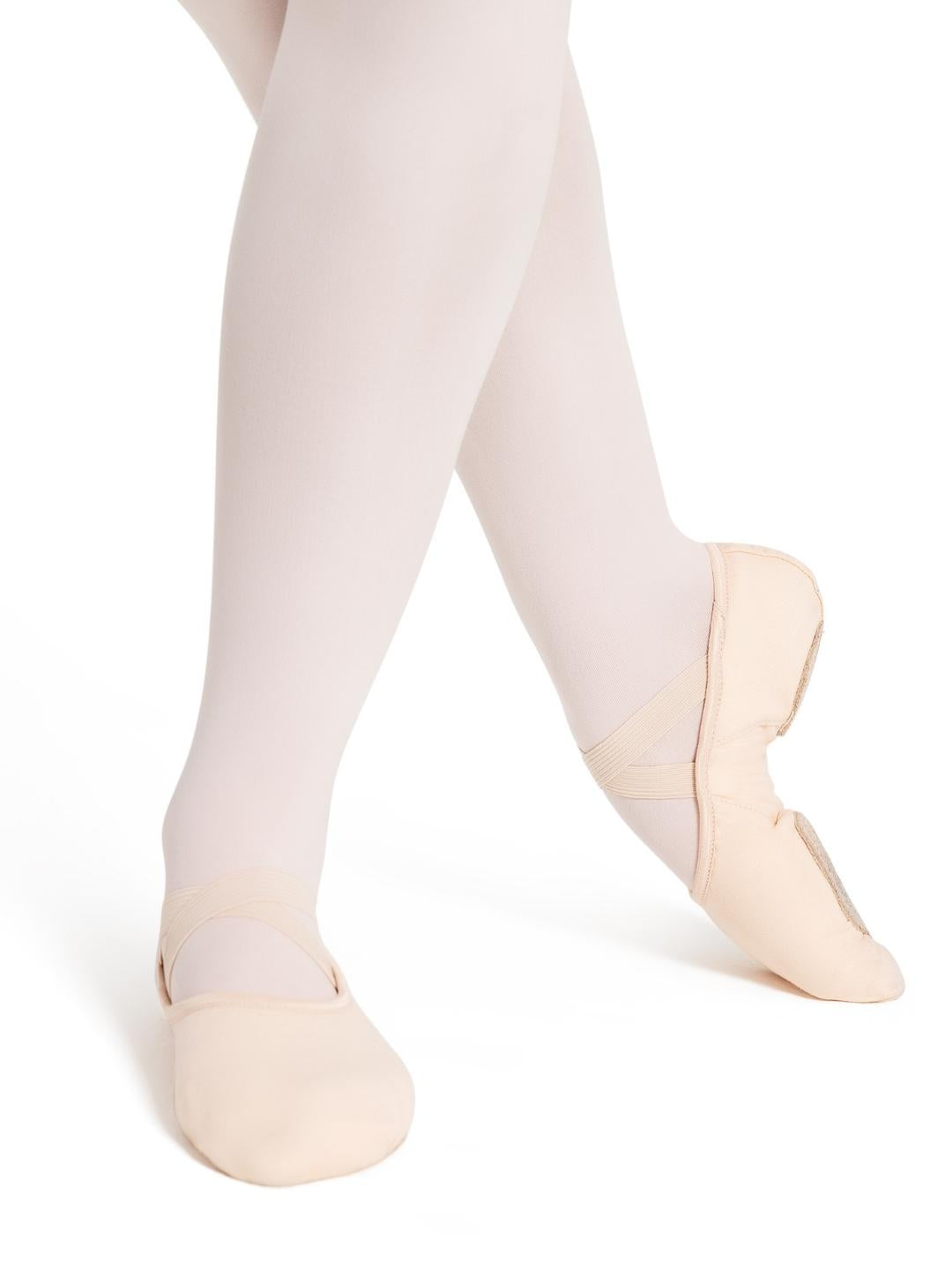


Choosing the right dance shorts and leggings matters more than most dancers realise. The wrong fit distracts you mid-class. The wrong fabric holds heat or loses shape after a few washes. This guide covers what actually works, across every style, genre and body type, so you can shop with confidence.
Understanding the Main Styles of Dance Bottoms
Dance bottoms fall into a few distinct categories. Each serves a different purpose, and many dancers own more than one style depending on genre and studio requirements.
- Dance shorts fitted and mid-thigh in length. Best for jazz, hip hop, contemporary and acro. They give freedom of movement without fabric getting in the way of leaps and kicks.
- Bike shorts longer cut, sitting above the knee. Popular for contemporary and lyrical. They offer more coverage during floor work and extensions.
- Dance leggings full-length, worn across ballet, jazz, contemporary and recreational classes. Look for four-way stretch and a gusset for unrestricted movement.
- Dance briefs and high-waisted briefs worn under costumes or as a base layer. If you are sizing these for the first time, our guide to finding the right fit in high-waisted dance briefs is a practical starting point.
- Mesh pants and sheer overlays often layered over leotards or leggings. Used in contemporary, lyrical and performance. If you are weighing up mesh styles, read through our guide to choosing mesh dance pants before you buy.
How to Choose the Right Fit for Your Genre
Fit is not just about comfort. It affects how a teacher can see your lines, how your costume sits over the top, and how you feel mid-performance.
Ballet and Classical Styles
Full-length leggings in black or ballet pink are standard. Studios often specify colour. Go for a high or mid-rise waistband so the legging stays in place during barre work. Avoid thick waistbands that bunch under a leotard.
Jazz, Hip Hop and Commercial
Dance shorts or bike shorts work well here. A mid-rise or high-rise fit is more practical than a low-rise cut, which tends to shift during big movements. For hip hop, a slightly relaxed fit through the thigh reads better on stage than a super-tight compression fit.
Contemporary and Lyrical
This is where layering becomes important. Many dancers wear a base legging or bike short under a sheer or mesh layer. The combination gives coverage while keeping the visual softness the genre calls for. Our resource on choosing the right dance pant style breaks down fit differences across genres in more detail.
Acro and Gymnastics-Based Classes
Go for a high-rise short or legging with a snug but not restrictive fit. The waistband should not dig in during backbends or inversions. Four-way stretch fabric is essential here, not optional.
What to Look for in Fabric and Construction
Fabric makes or breaks how a garment performs over time. These are the features worth checking before you buy.
- Four-way stretch the fabric moves with the body in every direction. Two-way stretch only stretches across the width, which is not enough for dance.
- Moisture-wicking draws sweat away from the skin during class. Especially useful in warmer studios or across back-to-back lessons.
- Gusset a small reinforced panel at the crotch seam. Prevents splitting and adds durability through high kicks and splits.
- Flat seams reduce rubbing and irritation. Important for dancers in class multiple days per week.
- Opacity hold the garment up to light before buying if possible. Stretch fabrics can become sheer when extended. If shopping online, check the product description for opacity notes.
Nylon and elastane blends are the most common in dancewear. They hold their shape well through regular washing. Bamboo blends are softer against the skin and breathable, making them a good option for younger dancers or those with sensitive skin. Avoid cotton for dance-specific bottoms as it holds moisture and loses shape quickly with repeated stretching.
Sizing Dance Shorts and Leggings for Children
Australian dancewear sizing tends to run differently from schoolwear or casual clothing. A child in a size 8 school uniform may fit a size 6 or size 10 in dance bottoms depending on the brand.
Always check the brand's size guide and measure against it. The key measurements are waist circumference and hip circumference. For leggings, inside leg length also matters, particularly for taller or shorter children whose proportions do not match a standard size.
For growing dancers, it is tempting to size up. A full size up usually means the waistband slides down and the gusset sits in the wrong position. A half size or the next size within a brand is a safer call than jumping two sizes ahead.
Building a Practical Dance Wardrobe
Most dancers benefit from having at least two to three pairs of dance bottoms in rotation. This allows for washing between classes without running short mid-week.
Start with one neutral pair, black leggings or shorts that suit most genres and studio dress codes. Add a second pair in a colour or style suited to your main genre. A third pair gives you flexibility during competition season or intensive periods.
Browse our full range of shorts, leggings, dance pants and briefs to find styles suited to your genre, age group and budget. Sizes run from toddler through to adult, with options across multiple brands and fabrics.


