
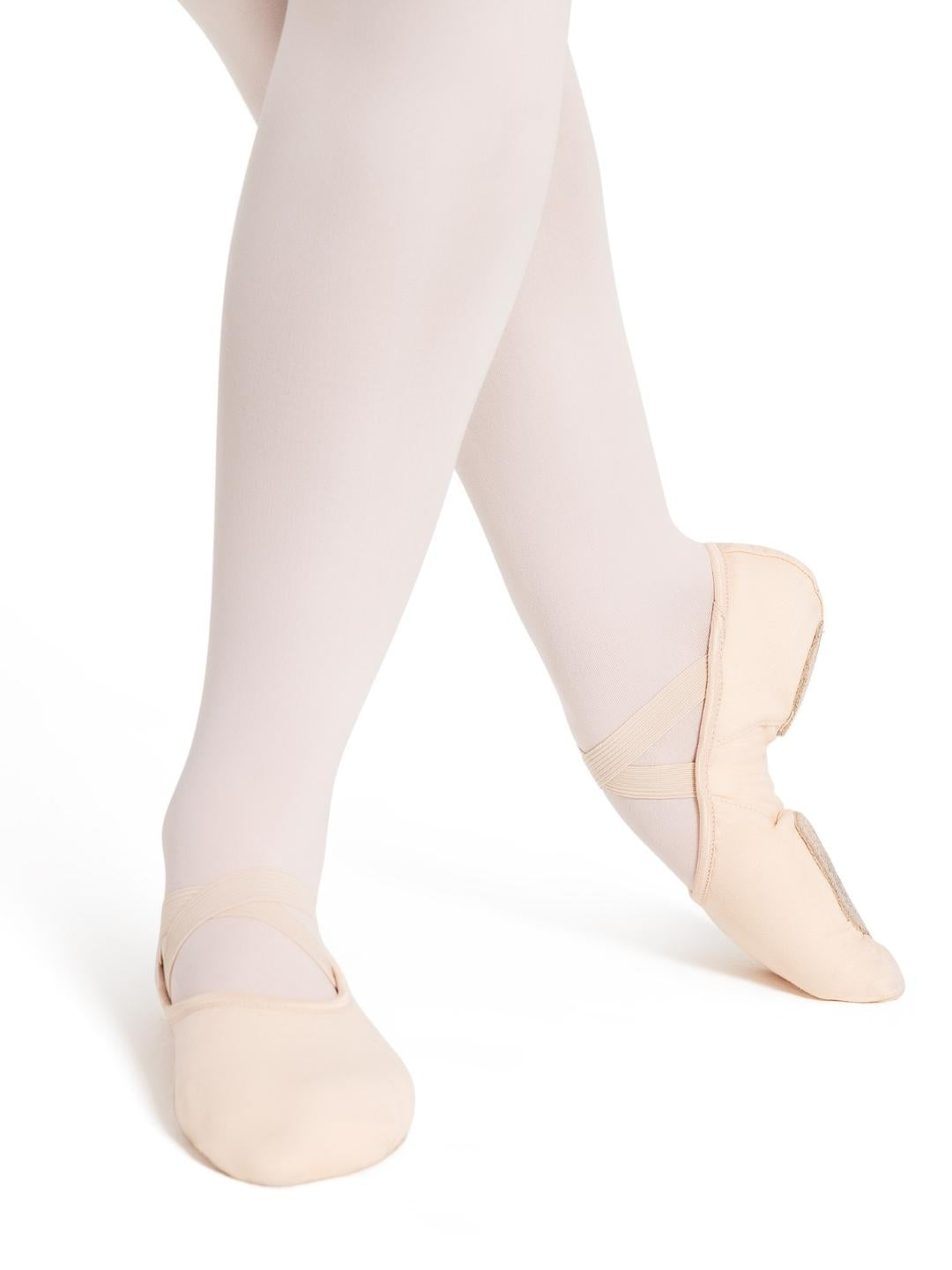


Finding quality jazz dancewear online in Australia is straightforward once you know what to look for. The challenge is understanding fit, fabric and function before you buy. This guide covers jazz shoes, tights, and what to prioritise at each stage of training.
What Makes Jazz Dancewear Different
Jazz dance demands flexibility, grip and freedom of movement. Your dancewear needs to keep up. The wrong shoe or a poorly fitted tight will affect technique before it affects comfort. That matters most when your teacher is watching footwork and lines.
For beginners, the priority is a well-fitting jazz shoe and a reliable pair of tights. For more advanced dancers, fabric quality and cut matter more as training hours increase. If you are unsure where to start, our guide on choosing jazz shoes and tights in Australia breaks it down by level and style.
Choosing Jazz Shoes: Fit, Sole and Style
Jazz shoes come in two main sole styles: split-sole and full-sole. Each suits a different stage of training.
Split-Sole Jazz Shoes
Split-sole shoes are cut away under the arch. They allow the foot to articulate fully and show the natural arch clearly. Most teachers recommend these from intermediate level onward. They suit dancers who already have some foot strength and body awareness.
Full-Sole Jazz Shoes
Full-sole shoes offer more support underfoot. They are the better choice for young beginners or dancers who need extra stability while building strength. The sole runs the full length of the foot and provides a firmer base for basic jazz technique.
Sizing tip: jazz shoes generally fit true to street shoe size in Australian sizing, but leather styles will soften and mould with wear. If your child is between sizes, go up rather than down. A shoe that is too tight will restrict articulation and cause blisters quickly.
Jazz Tights: Fabric, Colour and Coverage
Tights are not an afterthought. The right pair stays in place, does not pill after three washes and matches your studio's uniform requirements exactly.
- Footed tights suit most jazz classes and keep the foot neat inside the shoe.
- Convertible tights offer flexibility. The foot opening means you can wear them footed or footless depending on the class.
- Footless tights work well for contemporary-influenced jazz styles where bare feet or socks are used.
- Stirrup tights are popular for performance as they keep the tight anchored without covering the heel.
Fabric matters more than most dancers realise. Look for a nylon-spandex blend with at least 20 percent elastane. This holds its shape through class, resists sagging at the knee and washes well. Lighter-weight tights are better for jazz than the thicker styles used for ballet, particularly in warmer months.
Colour varies by studio. Caramel, suntan and black are the most commonly requested in Australian dance schools. Check your syllabus requirements before ordering. If you are unsure, caramel is the most versatile base tone for jazz performance and exam work.
What to Wear Over or Under Your Jazz Tights
Jazz class attire varies more than ballet. Studios differ widely on what is acceptable. Some allow jazz pants or shorts over tights. Others require a leotard and tight combination. A few allow fitted activewear for senior classes.
For older students training in jazz, hip-hop or contemporary styles, the clothing choices can feel less straightforward. Our article on what to wear to jazz and contemporary class covers this in practical detail for teens and senior dancers.
For younger students, a fitted leotard with footed tights and a jazz shoe is the standard starting point. Keep hair off the face and away from the neck. A small dance bag packed the night before prevents last-minute scrambling.
Buying Jazz Dancewear Online: What to Check Before You Order
- Read the size guide specific to that brand, not a generic chart. Jazz shoe sizing can vary between manufacturers.
- Check the return and exchange policy. Shoes especially need to be tried on. A retailer with a clear exchange process makes online buying less risky.
- Look at fabric composition in the product description. Generic descriptions without fibre content are a sign to look elsewhere.
- If buying tights, check the height and weight range on the size guide, not just the age range. A tall ten-year-old will often need a size up.
Professional dancers are meticulous about fit from the very beginning of their training. As Christopher Politis noted in our conversation about life as a professional dancer, the habits you build early in your training stay with you. That includes getting your gear right from the start.
Browse our full range of jazz shoes, tights and class attire selected for Australian dancers at every level of training.


