


Choosing dancewear should not be complicated. Whether you are preparing a child for their first ballet class or refreshing your own kit, knowing what Australia's best selling dancewear looks like makes the decision much easier. This guide covers the top categories, what to look for in each, and how to get the fit right every time.
Why Australia's Best Selling Dancewear Earns Repeat Purchases
Popular products stay popular for good reasons. They hold their shape through weekly washes. They move with the body without riding up or restricting. They suit multiple dance styles. And they last a full season without pilling, fading, or losing their stretch.
Dancers and dance parents come back to the same items because they work. No guessing. No returns. No mid-class wardrobe disasters. If you want to skip the trial and error, browsing our most popular dancewear is a smart starting point.
The Top Dancewear Categories Dancers Keep Buying
Leotards
The leotard is the foundation of most dance wardrobes. In Australia, sizing generally runs smaller than standard clothing sizes, so always measure the chest, waist, and hip and compare against the brand's own size chart. For children, check the torso length too. A leotard that gaps at the legs or bunches at the crotch is the wrong size, regardless of the label.
The most purchased styles are simple, full-coverage cuts in black or navy. These work across ballet, jazz, contemporary, and acro. Pinch lining at the leg, flat seams at the neck and back, and wide adjustable straps are features worth prioritising.
Dance Tights
Good tights should last more than one class. Look for a high denier count for durability and a gusset for comfort during floor work. Footed tights suit most ballet and jazz classes. Convertible tights work well for students who move between ballet and barefoot styles. Stirrup tights are a practical choice for acro and contemporary.
Pink, skin-tone, and black are the consistent top sellers across all age groups. If the studio has not specified a colour, blush pink is the safest choice for younger dancers.
Ballet Shoes
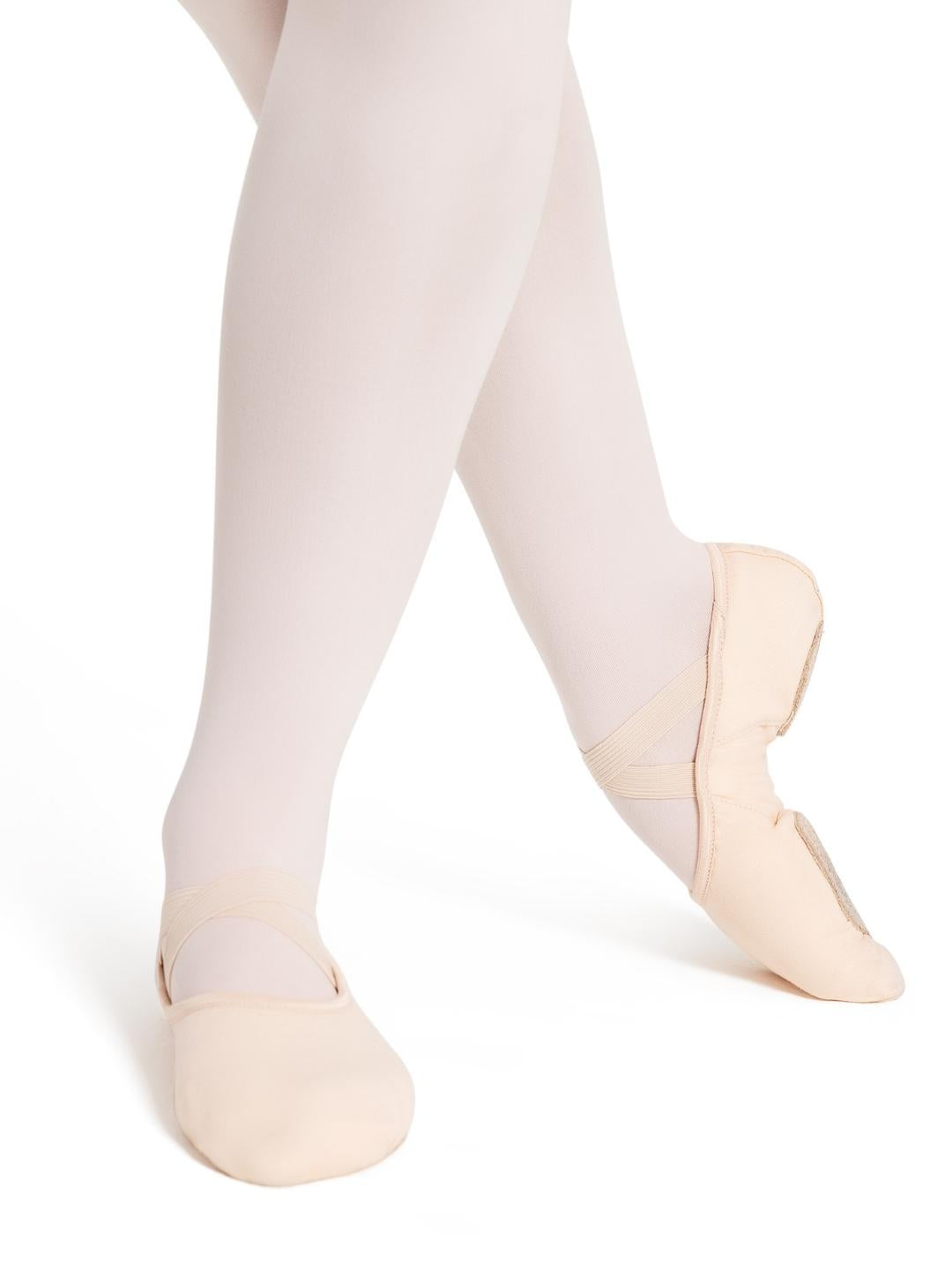
Split-sole canvas ballet shoes are the most bought style for recreational and exam students. They are lightweight, pack down flat, and break in quickly. Leather holds its shape longer and is worth the extra cost for students training four or more times a week.
Fit is critical. Ballet shoes should feel snug with no excess fabric at the toe. Allow no more than a thumb's width of growing room for children. Too much room causes the shoe to wrinkle and interfere with technique feedback.
Jazz Shoes and Dance Sneakers
Jazz shoes remain a staple for musical theatre, jazz, and commercial classes. Slip-on styles with a low heel and rubber sole grip most studio floors well. For hip hop and street dance styles, dance sneakers with a split sole give flexibility without sacrificing the look of a street shoe.
Dancewear for Boys
Boys' dancewear is often an afterthought in retail, but demand is steady. Black dance shorts, fitted tights for ballet, and white or black fitted t-shirts are the consistent sellers. If your son's studio has not issued a uniform list, black shorts and a fitted white tee will cover most classes.
How to Get the Fit Right the First Time
Most returns come down to sizing. A few practical habits help.
- Measure before you order. Chest, waist, hip, and torso for leotards. Foot length and width for shoes.
- Check the brand's own size chart, not a generic one. Sizing varies significantly between brands.
- For growing children, buy to fit now, not to grow into. Oversized dancewear affects movement and can cause trips or falls.
- Order tights by height and weight, not age. A tall nine-year-old may need a size up from what the label suggests.
- If ordering shoes for the first time, measure both feet. Fit to the larger foot.
For more guidance on what is working for Australian dancers right now, the complete breakdown of top-rated dance shoes, tights and essentials covers the most searched and purchased items in detail.
What to Look For in Quality Dancewear Fabrics
Fabric choice affects performance and longevity. For leotards and tights, a nylon-spandex blend is the industry standard. It stretches in four directions, recovers its shape after wear, and withstands repeated washing without bagging.
Moisture-wicking fabrics help during intensive classes. Breathable, soft-touch options are worth seeking out for younger dancers who are sensitive to rough seams or heavy fabrics. Avoid cotton-heavy blends for active classes as they absorb sweat, become heavy, and take longer to dry.
For footwear, canvas breathes better in warmer weather. Leather holds its structure over a longer period. Both are valid choices depending on training frequency and budget.
Building a Dance Wardrobe That Lasts the Season
A practical base kit for a recreational dancer includes two leotards, two pairs of tights, one pair of dance shoes for their primary style, and a pair of shorts or a skirt if the studio allows. That is enough to train twice a week with time to wash between sessions.
For students training more frequently, add a third leotard and a backup pair of shoes. Shoes wear down faster than most parents expect, particularly during exam preparation periods.
Stock up on the essentials your dancer will always need. Shop our range of top-rated dancewear to find the styles that Australian dancers buy again and again.


