
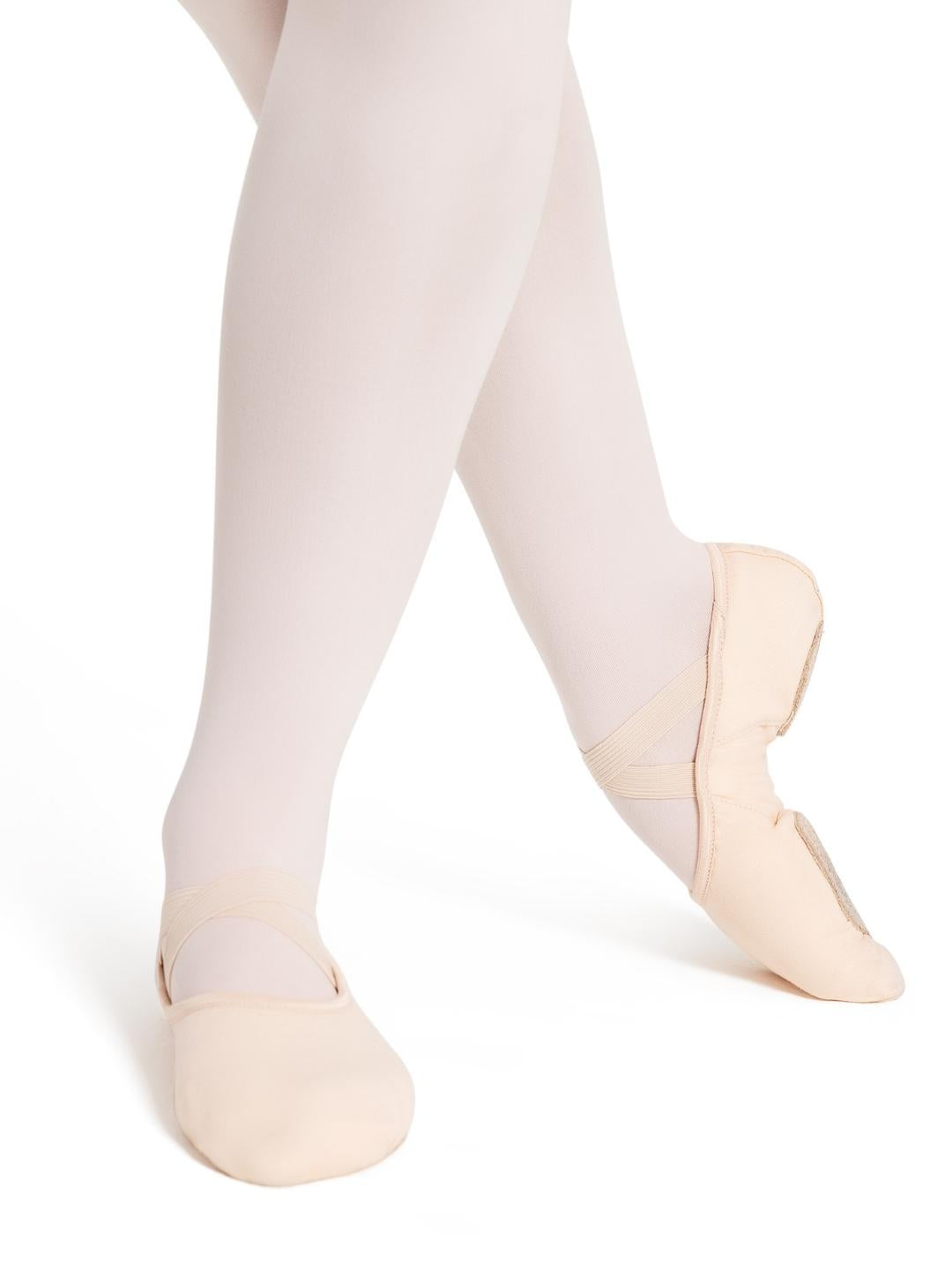


Finding the right ballet shoes in NZ takes more than a quick search. With so many styles, materials and brands on the market, it is easy to buy the wrong fit, especially when ordering online for the first time. Whether you are a dance parent buying a first pair or a student ready to move up a level, the right shoe supports technique, comfort and long-term progress. This guide covers what you need to know before you buy.
Understanding Ballet Shoe Construction
Not all ballet shoes are built the same. The three main materials are leather, canvas and microfibre. Each suits different feet, levels and teaching requirements.
- Leather: Durable and moulds to the foot over time. A solid choice for beginners and recreational dancers. Slightly heavier than canvas but very long-wearing.
- Canvas: Lightweight and flexible. Canvas hugs the foot quickly and shows foot lines clearly. Popular with students at intermediate and advanced levels.
- Microfibre: Soft, breathable and quick-drying. A good middle ground between leather and canvas, and often suited to dancers with sensitivity to rigid materials.
Split-sole shoes have a section of material removed from the arch. This allows the foot to articulate more freely, which is why many teachers prefer them for students who already have some flexibility training. Full-sole shoes offer more resistance underfoot, which can help younger beginners develop intrinsic foot strength. Check with your dance teacher before choosing a sole style, as many studios specify one or the other.
Ballet Shoe Sizing for NZ Dancers
Ballet shoe sizing does not match standard street shoe sizing. Most brands size down, meaning a dancer who wears a size 6 street shoe may need a size 4 or 4.5 in ballet. Sizing also varies between brands, so always check the brand-specific size chart before ordering.
For children, allow a little growing room but not too much. A shoe that is too large will wrinkle under the arch and create tripping hazards. A thumb-width of space at the toe is a practical guide. For adults, the fit should feel snug with no excess fabric bunching at the heel or sides.
Foot width matters too. Dancers with wide feet often find leather more forgiving than canvas, as canvas can feel restrictive across the ball of the foot. If your dancer complains of pinching or numbness after a short class, width is usually the issue rather than length.
If you are unsure which brand fits your foot shape best, our detailed comparison of Bloch and Capezio ballet shoes breaks down the differences in fit, construction and value so you can choose with confidence.
Choosing the Right Style for Your Dance Level
Beginners and Young Dancers
Start simple. A full-sole leather shoe in a classic pull-on or elasticated style is the most practical option for young beginners. It is easy to put on, stays secure during class and holds up well to frequent washing. Look for pre-attached elastics or single elastics that can be hand-sewn once the fit is confirmed.
Intermediate and Advanced Students
At this level, canvas split-sole shoes are the most common choice. They offer better floor feel and allow the teacher to assess the dancer's foot articulation clearly. Some students also begin transitioning to crossover-style shoes depending on their foot shape and training focus. If you are weighing up those options, this guide to crossover versus traditional ballet shoes is worth reading before you commit to a style.
Adult Learners
Adult recreational dancers often do best in canvas split-sole shoes. They are comfortable, flexible and suit feet that may have more defined arches or wider toe boxes than children's feet. Adults returning to dance after a break sometimes find microfibre a comfortable reintroduction, as the material is particularly soft and less rigid during the first few wears.
Tips for Buying Ballet Shoes Online
Ordering online is convenient but requires a bit of preparation to get right the first time.
- Measure both feet. Most people have one foot slightly larger than the other. Fit to the larger foot.
- Measure in the afternoon or evening when feet are at their largest.
- Have your street shoe size ready and use the brand's specific conversion chart, not a generic one.
- Check the retailer's return and exchange policy before ordering, particularly for children whose sizing can change quickly.
- If your dancer has an unusual foot shape, contact the retailer directly before purchasing.
For a comprehensive walkthrough of the ordering process and what to look for in an online retailer, the guide to buying ballet shoes online in Australia covers sizing, brands and what to check before checkout.
NZ dancers ordering from Australian retailers should factor in standard shipping timeframes. Ordering a few weeks before the start of term avoids the last-minute scramble that often results in the wrong size being kept simply because there is no time to exchange.
Shop Ballet Shoes at Total Dance
Total Dance stocks a broad range of ballet shoes across leading brands, sizes and materials, from first-class beginners to serious students. Browse our full range of ballet shoes to find the right fit for your level, foot shape and studio requirements. Sizes are available across children's and adult ranges, with detailed size guides on each product page to help you order correctly the first time.


