
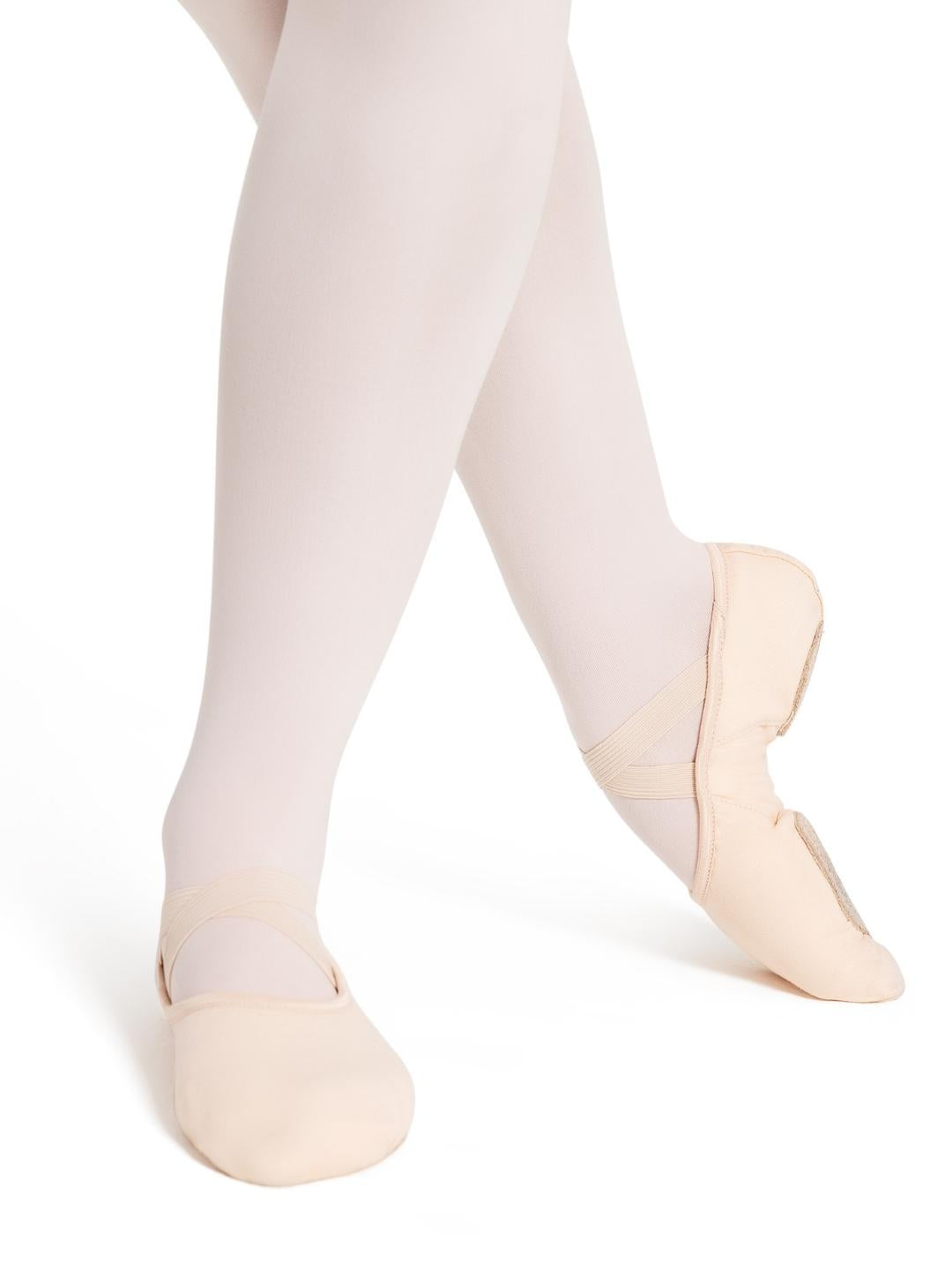


Dance is a gift. A way to move, connect, and express something words cannot hold. But when the schedule fills up, rushing from school to class to rehearsal to show, it is easy to lose that connection. You stop feeling the dance. You start just doing it.
Becoming a mindful dancer changes that. It does not require extra time. It requires intention.
What Mindfulness Actually Means for Dancers
Mindfulness is not sitting quietly with your eyes closed. For dancers, it is the practice of being fully present in your body during class, rehearsal, and performance.
It means noticing how your feet connect to the floor. Feeling the breath that supports your movement. Recognising when your mind wanders and gently bringing it back.
This is a trainable skill, just like a pirouette or a split leap. The more you practise it, the more natural it becomes.
Setting an Intention Before You Dance
One of the simplest mindfulness tools is setting an intention before class or performance. An intention is not a goal. A goal is something you achieve. An intention is something you embody.
Examples of intentions a dancer might set:
- I will stay present in each phrase, not rush to the next one.
- I will breathe through difficulty instead of tensing up.
- I will dance for joy today, not for judgement.
- I will notice my body rather than watch myself in the mirror.
Take thirty seconds before class begins. Close your eyes. Set your intention. Return to it if your focus drifts.
Mindful Turning: Using Focus to Improve Technique
Think about turning. Most dancers focus on the destination, the end of the turn, not the turn itself. Mindful turning shifts that. You notice your standing leg, your core engagement, your spotting rhythm. You are inside the movement, not chasing the result.
This is where mindfulness and technical improvement meet. Presence produces precision. When you stop rushing through a phrase to get to the end, you find the details that make the movement clean.
The Mind and Body Connection in Dance Training
Dancer health is whole-body health. That means fuelling well, recovering well, and thinking well. The physical side gets a lot of attention. The mental side often does not.
Research into athletic performance consistently shows that mental skills training improves physical output. Visualisation, focused breathing, and intention-setting are used by elite athletes across every discipline. Dancers are athletes. These tools belong in the studio too.
If you are thinking about what else supports a dancer from the inside out, it is worth reading about how nutrition and energy fuel your dancing. What you eat affects how your brain and body perform together.
Mindfulness for Dance Parents
Parents, this applies to you too. The energy you bring to the drop-off, the conversation on the way to class, the way you talk about results. All of it shapes how your child experiences dance.
Mindful parenting in the dance context means being present without projecting. Asking how class felt rather than how class went. Celebrating effort, not just outcome. Your dancer will absorb your calm.
If you want to understand more about the community and values behind the way we approach dance, have a read of how Total Dance came to be. It gives context to why we care about the whole dancer, not just the performance.
Simple Daily Mindfulness Habits for Dancers
- Spend two minutes in stillness before training. No phone, no music. Just breathe.
- After class, name one thing you did well. Not one thing to fix. One thing that worked.
- During stretching or cool-down, notice how your body feels rather than rushing out the door.
- Journal briefly after a performance. What did you feel? What surprised you?
- Practise breathing exercises on rest days to build the habit outside of training.
Looking After Yourself on Every Level
A mindful dancer takes care of the whole self. Movement, nutrition, rest, and skin health all connect. If you have not thought about how your skin holds up under stage makeup, heavy rehearsal schedules, and physical stress, the article on caring for a dancer's skin is a practical read worth bookmarking.
The goal is longevity. Dancers who last in this industry look after themselves mentally and physically, consistently and with intention.
Gear That Supports How You Train
Part of showing up mindfully is feeling prepared. Comfortable, well-fitted dancewear removes distraction and lets you focus on movement. Browse our studio training collection for everyday class essentials designed to move with you, not against you.
The right environment starts before you walk into the studio. It starts with how you prepare, what you wear, and the mindset you bring through the door.


