
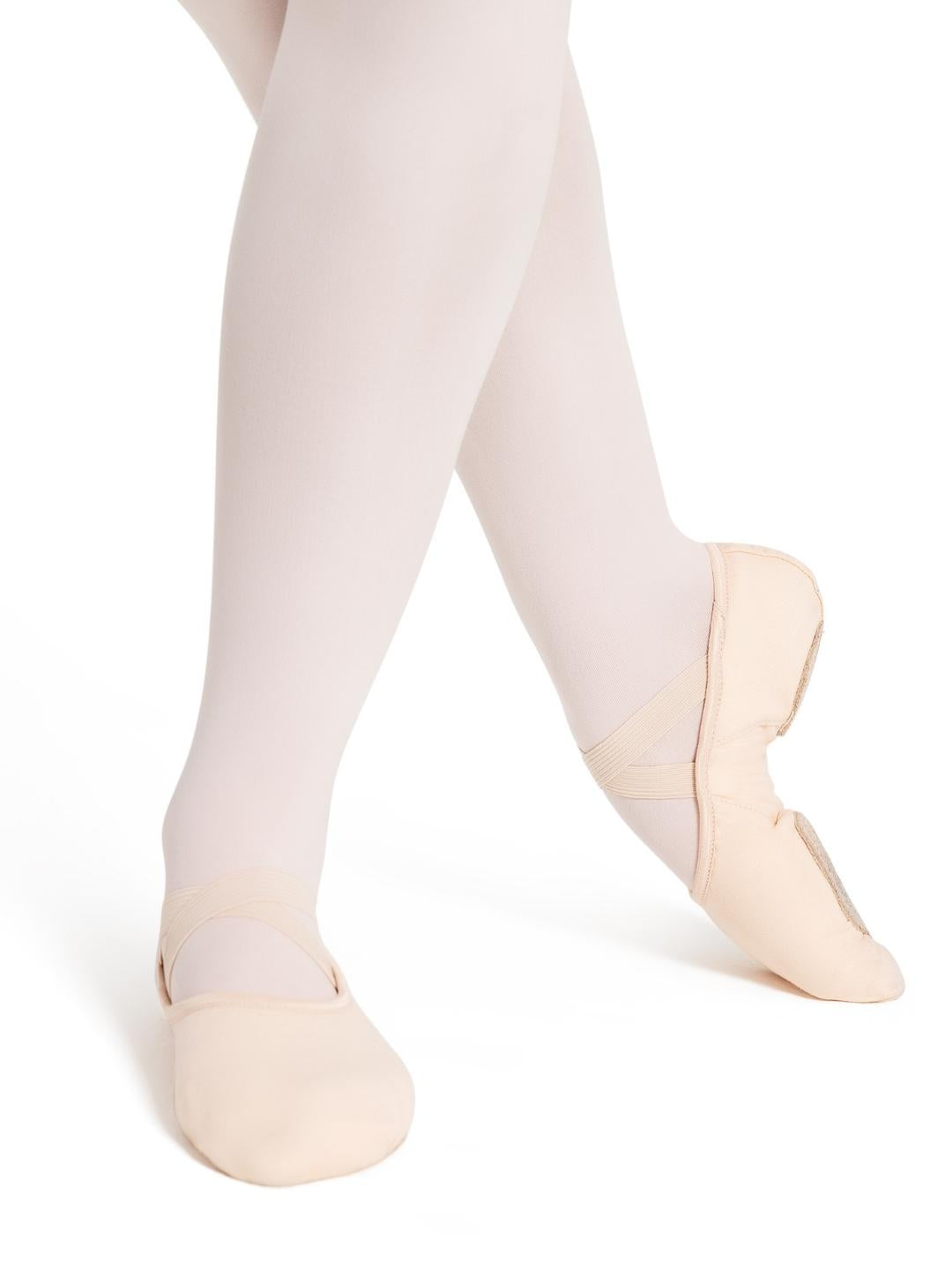


Every dancer asks it, and every parent budgets around it: how long do pointe shoes last? The honest answer is that it depends on the dancer, but there are clear signs a pair is done, and dancing on dead shoes is something you want to avoid. Here is how to tell.
It depends on the dancer
How long a pair of pointe shoes lasts comes down to how often the dancer is on pointe, how strong they are, their level, their foot, and the brand and strength of the shoe. A dancer doing hours of pointe every week will go through pairs quickly. A newer dancer doing a little pointe work in class will get much longer out of a pair, because they simply spend less time in the shoe.
Rough guidance
As a very general guide, a busy student dancer might get several weeks to a couple of months from a pair, while a beginner doing limited pointe work will get longer, and professional dancers can go through a pair in a matter of days. Treat these as rough ranges only. The real answer is not a number of weeks, it is the condition of the shoe.
Signs a pointe shoe is dead
A pointe shoe is finished when it can no longer support the dancer on pointe. Watch for:
- The shank going soft, so it no longer holds the arch.
- The box breaking down and losing its shape around the toes.
- The shoe bending easily where it should stay firm.
- Extra noise, or the dancer sinking into the shoe on pointe.
Dancing on dead shoes puts real strain on young feet and ankles and raises the risk of injury, so once the support is gone, the pair is done.
How to make them last
You can get more life out of a pair with good habits: let shoes dry fully between classes rather than leaving them in the bag, rotate two pairs if you can, and avoid over softening the shank when breaking them in. Toe pads and accessories in our foot and shoe accessories range keep the dancer comfortable without shortcutting the shoe's support. Our guide on breaking in pointe shoes safely helps here too.
Budgeting for pointe
Because pointe shoes are a consumable, it helps to plan for replacements, especially as a dancer moves up. Once you have been properly fitted and know your exact shoe and size, keeping a backup pair and reordering online is easy. If you are not sure of your fit yet, book a fitting with us first.
Reorder your fitted size, or book a fitting if you are due for a check.
Browse pointe shoes Book a fittingFrequently asked questions
How long do pointe shoes last?
It depends on how much pointe work the dancer does. A busy student might get several weeks to a couple of months per pair, a beginner longer, and professionals only days. The real measure is the shoe's condition, not its age.
How do you know when pointe shoes are dead?
When the shank goes soft and the box breaks down, so the shoe no longer supports the dancer on pointe. Other signs are the shoe bending where it should stay firm, extra noise, or the dancer sinking into the shoe.
How often do you need new pointe shoes?
As often as the shoes lose their support, which varies with the dancer's hours, strength and level. Replace them as soon as the shank and box stop holding the foot on pointe.
Can you make pointe shoes last longer?
Yes, a little. Dry them fully between classes, rotate two pairs if you can, and avoid over softening the shank. But never trade away support for longevity.
Is it bad to dance on dead pointe shoes?
Yes. Dancing on shoes that no longer support the foot puts strain on young feet and ankles and raises the risk of injury. Once the support is gone, replace them.


