

Choosing the right hosiery for your dancer sounds simple until you are staring at a screen full of options. Ballet socks, anklet socks, convertible tights, footed tights. This guide is written for NZ dancers and dance parents ordering from Australia. It covers ballet socks specifically, how convertible tights compare, and how to get sizing right before you checkout.
Ballet Socks vs Anklet Socks vs Convertible Tights: What Is the Difference?
The terms ballet socks and anklet socks are used interchangeably across most dance schools. Both refer to a short sock that sits at or just above the ankle. They are typically worn with leather or canvas ballet flats for beginner and recreational classes. Some schools specify white, some pink, some require bare legs from a certain level. Check your school's uniform requirements before you order.
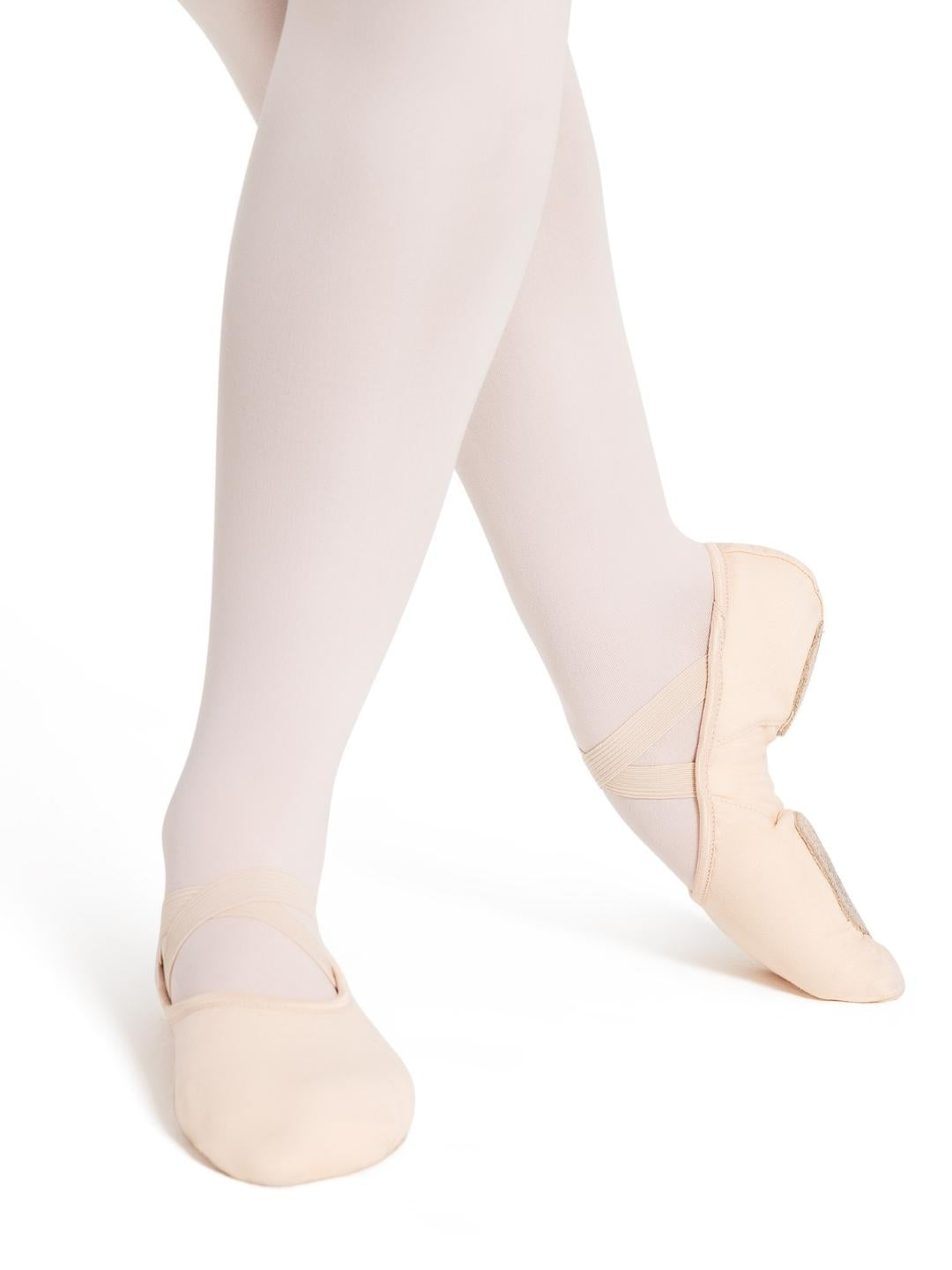
Convertible tights are a full-length tight with a hole in the foot. That opening lets dancers slip the fabric up over the calf, turning a full tight into a three-quarter length option. This matters for pointe work, contemporary, and acro where bare feet or grip socks are needed partway through class.
Footed tights cover the entire foot and are the most common style for classical ballet and concert performances. If you are unsure whether to choose convertible or footed for your child, our guide on picking the right tight style for kids breaks down exactly when each works best.
When Ballet Socks Are the Right Choice
Ballet socks suit younger beginners, recreational dancers, and classes where the uniform code does not require full tights. They are easier for small children to manage independently. No tucking, no adjusting, no waistband to pull up between exercises.
They also work well for:
- Dancers who run warm and find full tights uncomfortable in summer classes
- Recreational tap and jazz classes where full coverage is not required
- Classes held in warmer studios where overheating is a genuine concern
- Young students still building the routine of getting dressed for class
Fit matters more than most parents expect. A sock that bunches under the arch or slips at the heel will distract your dancer and can affect how the shoe sits on the foot. Look for a snug ankle and a smooth, flat toe seam. Seamless options are worth seeking out for dancers who are sensitive to texture.
How Convertible Tights Work for NZ Dancers
Convertible tights have become a standard purchase for dancers progressing beyond beginner level. The hole in the foot is not a flaw. It is a design feature. Dancers pull the fabric up and over the heel when they need bare feet, then roll it back down when they want full coverage for barre or performance.
For NZ dancers ordering from Australia, sizing translates directly. Australian and New Zealand children's sizing uses the same age and height-based conventions for dancewear. A size 8 to 10 Australian tight fits a New Zealand child of the same age and build. That said, always cross-reference the brand's specific size chart. Waist and hip measurements are more reliable than age alone, especially for dancers who are tall or fine-boned.
If you are shopping across the Tasman and want a broader comparison of convertible versus footed options for gymnastics and dance, this guide on choosing tights for gymnasts in NZ covers the key differences in detail.
Getting Sizing Right Before You Buy
Sizing across ballet socks and tights varies between brands. Bloch, Capezio, and Freed each size slightly differently. Use these reference points as a starting guide:
- Measure height in centimetres and cross-reference with the brand's height range, not just the age bracket
- For socks, measure the foot length from heel to longest toe
- Go up a size if your dancer is between sizes, particularly for convertible tights, since there needs to be enough length to roll up comfortably
- Check waist measurements for tights if your dancer has a longer torso or narrow hips
For NZ orders, factor in delivery time when planning around exam or concert dates. Ordering two to three weeks out gives you time to exchange if the fit is not right.
What to Look for in a Quality Ballet Sock
Not all ballet socks perform the same way in the studio. Look for these practical features:
- A defined heel pocket that holds position through class
- Flat or seamless toe construction to avoid pressure inside the shoe
- Adequate stretch across the arch without the fabric going slack after a few washes
- A cuff that stays up without leaving marks or cutting in at the ankle
Cotton-blend socks are breathable and easy to wash. Nylon-blend options tend to hold their shape longer and are more resistant to pilling. Neither is superior across the board. It depends on how often your dancer is in class and how hard the socks are worked.
You can browse our full range of dance tights and socks to compare styles, brands, and sizes in one place. For more guidance on where to source quality hosiery online, this overview of buying dance tights and socks in Australia covers the key considerations worth knowing before you order.


