
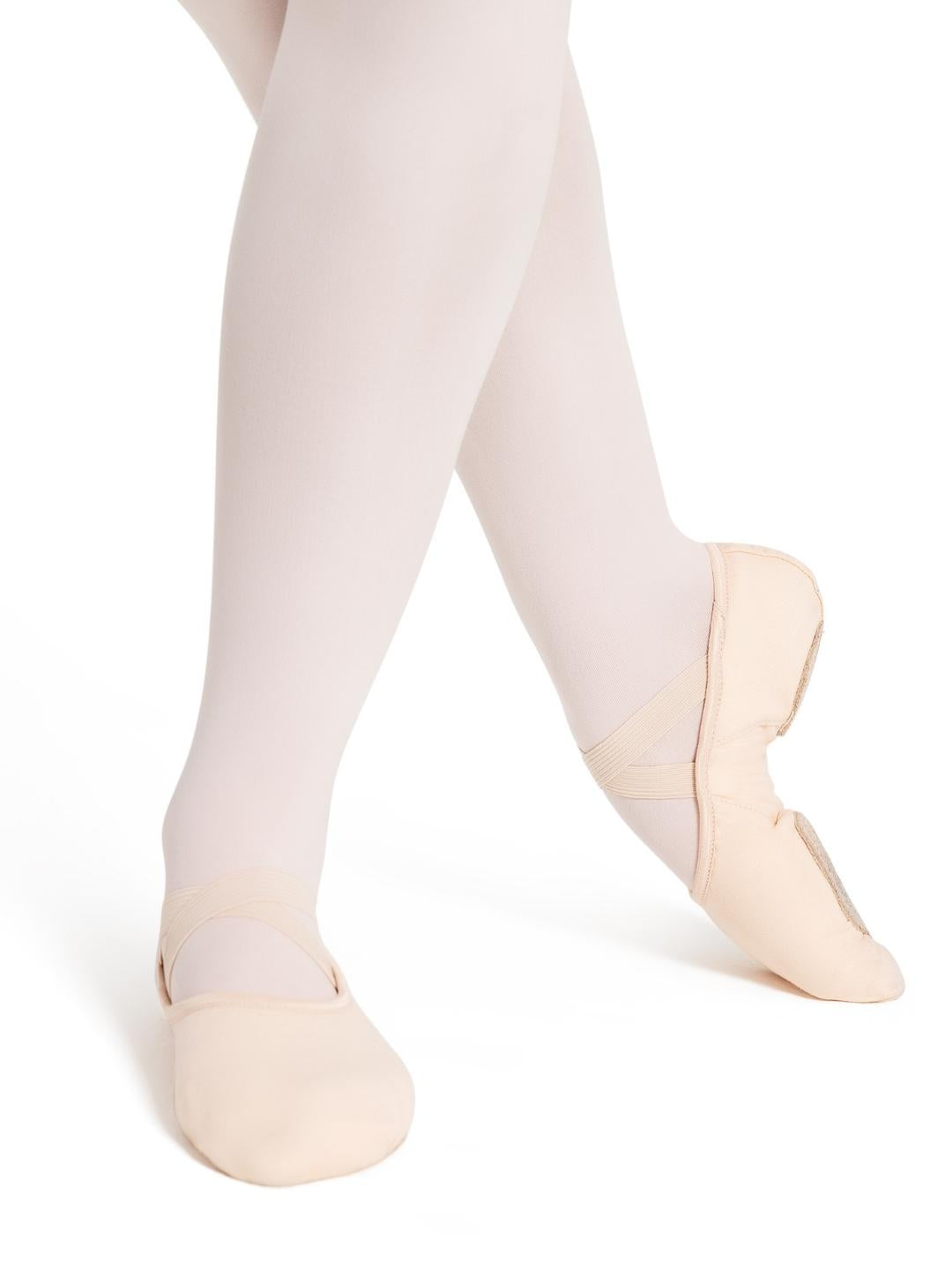


Pointe shoe elastics, ribbons and toecaps are small purchases with a big impact on comfort, security and technique. This guide is for dancers and dance parents in New Zealand shopping for the right foot accessories, whether you are preparing for a first pointe class or restocking mid-season.
Why Foot Accessories Matter for Pointe Work
Pointe shoes without properly fitted ribbons and elastics shift, rub and fail at the worst possible moment. A toecap that is the wrong density can cause pressure sores in a single class. These are not afterthoughts. They are functional parts of your pointe setup, and choosing the wrong ones costs you more than money.
Getting these details right is what separates a dancer who feels secure on pointe from one who is constantly adjusting. Start with good products and sew them correctly, and everything else follows.
Choosing the Right Ribbons for Pointe Shoes
Ribbons do two jobs. They hold the heel of the shoe in place and they create a clean line through the ankle. Both matter equally.
Satin Ribbons
Satin is the traditional choice. It looks polished under stage lighting and holds a knot well. The downside is that satin can slip on the skin during long rehearsals, particularly if your ankles perspire. Look for ribbons that are at least 2.2 cm wide. Anything narrower digs in and cuts circulation over time.
Stretch Ribbons
Stretch ribbon is a practical option for dancers with high arches or for those who find satin ribbons too rigid. It accommodates more movement through the ankle without loosening. If your dancer is in regular training rather than performance, stretch ribbon is worth the switch. Our guide to choosing between standard ribbons, elastorib and stretch ribbon goes into more detail on this comparison.
How Much Ribbon Do You Need?
Buy at least 2.5 metres per pair of shoes. Most ribbons are sold by the metre or in pre-cut lengths. Cut each ribbon into four equal pieces, one for each side of each shoe. Seal the cut ends with a lighter flame to stop fraying before you sew.
Elastics: Single Strap, Cross Strap or Both
Elastics stabilise the heel and prevent the shoe from slipping off mid-class. The style you choose depends on foot shape and personal preference.
- Single strap elastic sits across the back of the heel. It is the most common setup and suits most foot shapes.
- Cross strap elastic forms an X across the front of the ankle. It gives more coverage and is popular with dancers who have narrow heels or flexible ankles.
- Some dancers use both. A single strap at the heel plus a cross strap at the front is a legitimate choice, particularly for advanced students in intensive training.
Elastic should be firm enough to hold the shoe in place but not so tight that it restricts circulation or leaves marks on the skin after class. Standard width is around 1.5 cm to 2 cm. Thinner elastic cuts in. Wider elastic adds bulk under ribbons.
Sew elastic at a slight angle so it follows the natural line of the tendon. Sewing it perfectly straight is a common beginner mistake. Ask your teacher to check the positioning before your dancer wears the shoes to class.
Toecaps and Toe Pads: Protecting the Feet Inside the Box
Toecaps and toe pads sit inside the box of the pointe shoe to cushion the toes and reduce friction. Getting the density right matters as much as getting the size right.
- Gel toecaps are suited to dancers with bony feet or prominent knuckles. They redistribute pressure across the toe rather than concentrating it on one point.
- Fabric toe pads offer a softer feel and suit dancers who find gel too slippery inside the box.
- Ouch Pouches and similar full-toe covers are popular for beginners who are still building calluses. They provide more coverage but can make the fit feel snug, so account for this when fitting shoes.
Never layer multiple pads to the point where the shoe feels tight. A shoe that fits correctly with the right toecap should feel snug but not painful when you are flat. On pointe, pressure is expected. Sharp pain is not.
You can browse our full range of pointe shoe accessories and foot care products to find the right combination for your feet.
Sizing and Fit Notes for NZ Dancers Shopping Online
Total Dance ships to New Zealand. Sizing for foot accessories is straightforward because most products are one-size-fits-most or come in small, medium and large based on shoe size. Check the product notes for each item. Gel toecaps in particular run small, so if your dancer is between sizes, size up.
If you are unsure which products suit a specific pointe shoe brand, our full foot and shoe accessories range includes product details to help you match accessories to your shoes. For a deeper look at ribbon and elastic options side by side, the foot and shoe accessories buying guide covers the key differences clearly.
Buy spares. Ribbons fray, elastics stretch out, and toecaps compress over time. A mid-season restock costs far less than arriving at class without the right supplies.


