
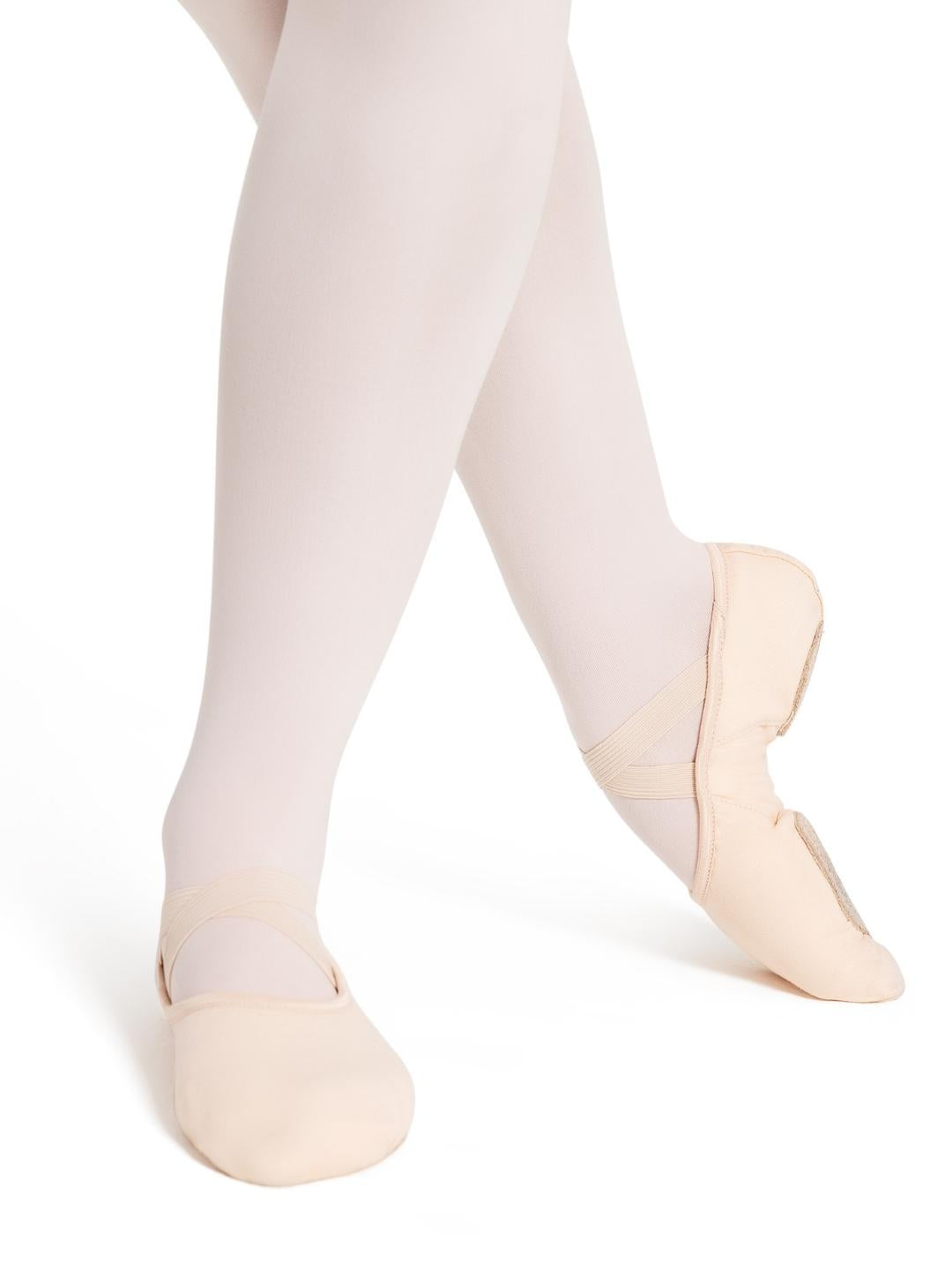
Ballet Shoe Ribbons vs Elastorib vs Stretch Ribbon: Which Foot & Shoe Accessory Should You Buy?

Ballet Shoe Ribbons vs Elastorib vs Stretch Ribbon: Which Foot & Shoe Accessory Should You Buy?

At Total Dance, we know that the details matter just as much as the headline pieces in a dancer's kit. A perfectly fitted leotard or a pristine pair of pointe shoes can be let down by the wrong ribbon choice, and that's a frustration no dance parent or dancer should have to deal with on competition morning. Whether you're outfitting a beginner ballerina or a serious student heading into exams, this foot & shoe accessories buying guide will help you choose confidently between the three most popular options: traditional ballet shoe ribbon, Elastorib, and stretch ribbon.

Understanding Your Options: The Three Main Ribbon Types

Before you can choose the right ribbon or elastic for your ballet shoes, it helps to understand what each product is designed to do. They are not interchangeable, and the best choice depends on your dancer's foot shape, training level, the style of dance, and even the specific requirements of their school or exam board.

Satin Ballet Shoe Ribbon

The Satin Ballet Shoe Ribbon is the traditional, classic choice for ballet. It's the ribbon most people picture when they think of a ballerina's shoe, wrapped elegantly around the ankle and tied at the front. Satin ribbon gives a smooth, polished finish and is especially favoured for performance and exam work, where a clean aesthetic is part of the presentation.

Satin ribbon is non-stretch, which means it provides a firm, structured hold around the ankle. For students working on pointe or pre-pointe, this firmness is beneficial because it supports the ankle and keeps the shoe securely in place during relevés, pirouettes and more demanding footwork. The trade-off is that it requires more precise tying to avoid pressure points, and it takes a little practice to tie neatly every time.

Best for: Exam and performance work, pointe shoe students, dancers whose school specifies satin ribbon, and anyone who values a traditional, polished look.

Elastorib

Elastorib is a hybrid product, combining the appearance of a traditional ribbon with the comfort and flexibility of elastic. It has a slight stretch to it, which makes it far more forgiving across the ankle than standard satin ribbon. This is a significant advantage for dancers with wider ankles, high insteps, or those who find that non-stretch ribbon digs in uncomfortably during long classes.

Because Elastorib moves with the foot, it can reduce the likelihood of ribbon marks or indentations on the skin after class. Many dance teachers recommend it as a step up from basic elastic for intermediate students who are not yet on pointe but want a more finished look than flat elastic provides. It's also a popular choice for contemporary and lyrical students who want some ankle coverage without restricting their movement vocabulary.

Best for: Intermediate students transitioning from elastic to ribbon, dancers with wider or fuller ankles, contemporary and lyrical dancers, and those prioritising comfort over a strictly traditional look.

Stretch Ribbon

Stretch ribbon, as the name suggests, offers the most flexibility of the three options. It has a generous stretch in both directions and is designed to accommodate a wide range of foot shapes and ankle sizes without requiring precise fitting. Stretch ribbon is particularly popular for younger dancers and beginners, because it's easy to tie, comfortable to wear, and far less likely to come loose mid-class.

For parents of little ones in their first ballet classes, stretch ribbon can be a lifesaver. It's quick to put on, stays secure without complex knots, and is gentle on developing feet. It also suits recreational dancers across multiple styles who need versatility and ease without investing heavily in technique-specific options.

Best for: Beginners and young dancers, recreational students, parents looking for a quick and easy option, and dancers who need flexibility across multiple dance styles.

How to Choose the Right Option: A Buying Criteria Breakdown

With three solid options on the table, narrowing down the right choice comes down to a handful of key factors. Use this as your practical checklist before you shop.

1. Dance Style and Level

Classical ballet training, particularly at exam level or in performances under RAD, ISTD or CSTD syllabi, typically requires satin ribbon for a clean, uniform appearance. If your dancer's school has a specific requirement, always follow that first. For more movement-based styles like contemporary, lyrical, or jazz ballet, Elastorib or stretch ribbon is often perfectly appropriate and more comfortable.

2. Foot and Ankle Shape

Not all feet are the same, and ribbon that fits beautifully on one dancer can be restrictive on another. Dancers with high insteps or wider ankles often find that Elastorib provides the best balance of structure and comfort. Narrow-footed dancers who need a precise, tight fit may prefer the control of traditional satin ribbon.

3. Age and Experience Level

For very young dancers or those just starting out, ease of use matters enormously, both for the child wearing the shoes and the parent helping them get ready before class. Stretch ribbon is the most forgiving and straightforward option for this group. As dancers progress and develop better proprioception and foot strength, they can transition to Elastorib and eventually to satin ribbon.

4. Comfort and Skin Sensitivity

Some dancers experience irritation from firm, non-stretch ribbon tied tightly around the ankle, especially during extended rehearsal periods. If your dancer has sensitive skin or tends to develop pressure marks, opting for Elastorib or stretch ribbon will provide a more comfortable, adaptive fit throughout class.

5. Aesthetic and Presentation

For recitals, eisteddfods and exams, the look of the ribbon matters. Satin ribbon delivers the most polished, traditional finish. If presentation is a priority, and especially if you're entering a formal assessment, satin ribbon is the professional choice. For everyday training, comfort and convenience can reasonably take precedence.

Sewing Ribbons on Ballet Shoes: Tips and Time-Saving Options

Once you've selected the right ribbon type, the next step is getting them sewn onto the shoes correctly. Improperly sewn ribbons can twist, pull loose, or sit awkwardly, undermining both the look and the support they're meant to provide.

The standard technique involves folding the back of the ballet shoe flat, then sewing the ribbon at the point where the back of the heel crease meets the side of the shoe. This ensures the ribbon sits cleanly across the front of the ankle without twisting or pulling. Each ribbon should be sewn securely with a few rows of stitching rather than a single line, using a strong thread in a matching colour.

For busy families, finding the time to sew ribbons neatly onto multiple pairs of shoes can feel overwhelming, especially around concert season. That's where the Ribbon Sewing Service from Total Dance is genuinely useful. Rather than spending an evening wrestling with a needle and thread, you can bring in your shoes and have ribbons professionally attached for you. It's a small investment that saves time and delivers a clean, secure result every time.

While you're organising your dancer's shoes, it's also worth exploring our foot & shoe accessories range for everything from ribbon types to protective products that keep both feet and footwear in good condition throughout the season.

Caring for Ribbons Between Classes

To extend the life of your ribbons, fold them neatly inside the shoe after each class rather than leaving them bunched or tied. Avoid getting satin ribbons wet where possible, as moisture can cause fraying or colour bleeding. If the ends begin to fray, a small amount of clear nail polish or a heat seal applied carefully to the cut edge will prevent further wear. The Ballet Shoe Ribbon from Total Dance is cut to a length that allows for comfortable wrapping and tying without excess bulk, making it easy to manage between sessions.

When Ribbons Aren't Enough: Complementary Foot Care Products

Great ribbons support the shoe, but caring for the foot inside the shoe is equally important. Dancers working at higher levels, especially those on pointe, benefit from additional protective products. Lambswool is a time-honoured choice for padding and protecting toes inside pointe shoes, offering natural cushioning that shapes to the foot over time. Super Spacers are another excellent option for separating and protecting toes during pointe work, helping to prevent blisters and pressure points.

For a broader look at what's available to support your dancer's feet and footwear, browse our specialised foot and shoe accessories to see the full range of solutions in one place.

Frequently Asked Questions

Can I use stretch ribbon for pointe shoes?

Stretch ribbon is generally not recommended for pointe shoes. Pointe work requires firm support around the ankle, and the flexibility of stretch ribbon does not provide the structure needed. For pointe shoes, satin ribbon is the standard choice, as it holds the shoe securely and gives the ankle the stability required for safe pointework.

How long should ballet shoe ribbons be?

For most students, ribbons are cut to approximately 60 to 70 centimetres per piece, giving enough length to wrap around the ankle once or twice and tie in a neat bow at the front. Your dance teacher may have specific guidance based on your school's requirements, so it's always worth checking before cutting.

Is Elastorib suitable for RAD exams?

Requirements can vary between schools and exam boards, so it's important to check with your teacher before purchasing. Some RAD schools accept Elastorib as it still provides a ribbon-like appearance, while others may specify traditional satin ribbon for formal assessments. When in doubt, satin ribbon is the safest choice for any exam or performance setting.

Does Total Dance offer a ribbon sewing service for all shoe types?

Total Dance's Ribbon Sewing Service is available for ballet shoes, making it easy to have ribbons professionally sewn without the hassle of doing it yourself at home. It's particularly popular at the start of a new dance year when multiple pairs need to be prepared at once. Contact the Total Dance team for details on availability and turnaround times.