
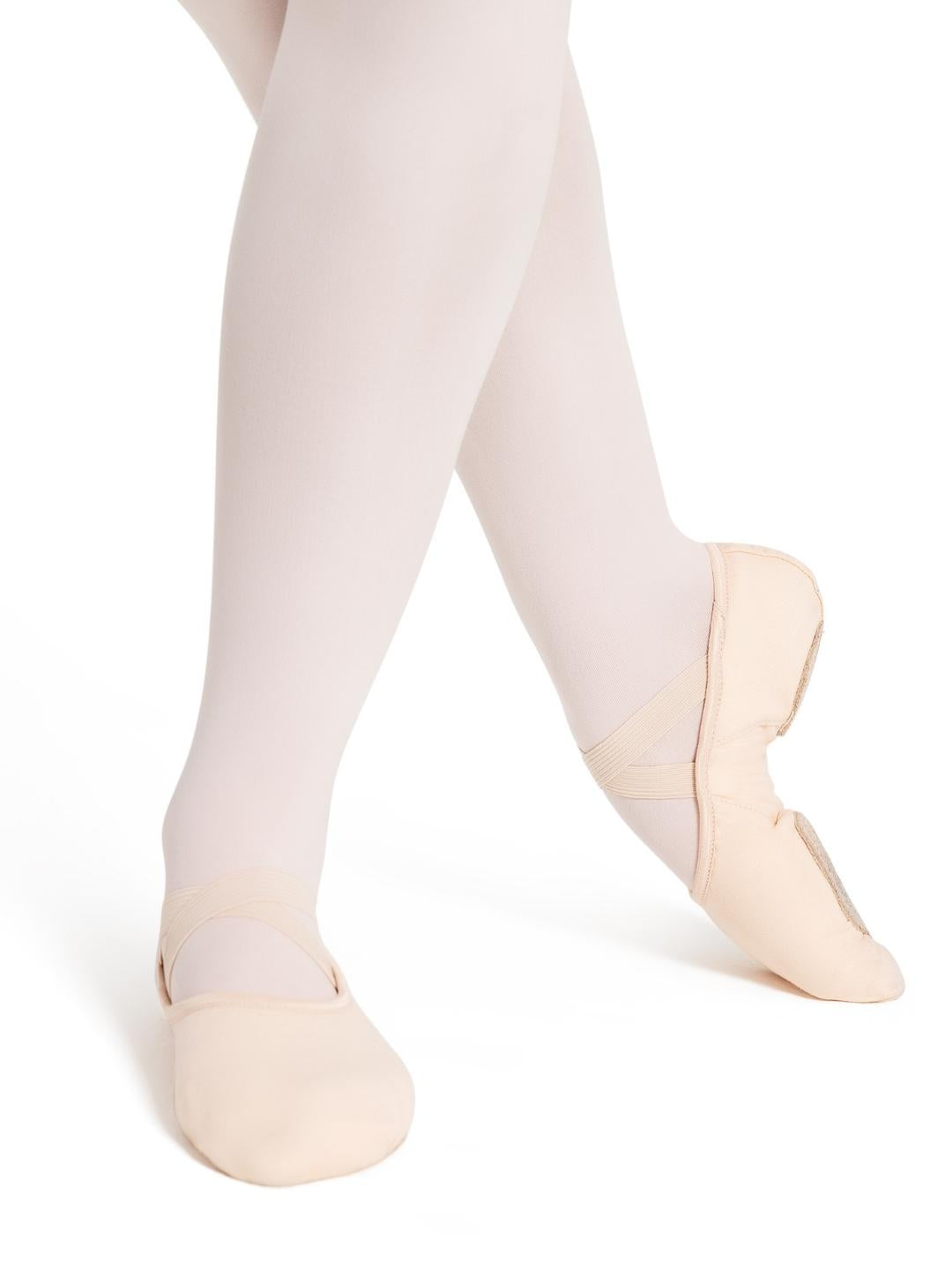


Your Complete Guide to Buying Pointe Shoes in New Zealand
Finding the perfect pair of pointe shoes is one of the most significant milestones in a dancer's training, and for New Zealand dancers, having access to a wide, carefully curated range makes all the difference. At Total Dance, Australia's home of premium dancewear, we ship a full selection of professional-grade pointe shoes directly to New Zealand customers, tracked from our Melbourne warehouse and delivered in 5 to 10 business days. Orders over NZ$140 ship free, making it easier than ever for NZ dancers to get exactly what they need without compromise.
This guide is designed to walk you, whether you're a dance mum researching your daughter's first pair or an experienced dancer upgrading your current shoes, through every important consideration: fit, shank strength, toe box shape, and which shoes from our range might suit your foot best.
Understanding Pointe Shoe Fit: The Essentials
Getting the fit right is the single most important factor in pointe shoe selection. An ill-fitting shoe doesn't just cause discomfort; it can contribute to injury and impede technical development. Unlike street shoes, pointe shoes should feel snug without pinching, and the toes should sit flat inside the box rather than curling or jamming.
The Key Fit Factors to Know
Toe box width: Pointe shoes come in narrow, moderate, and broad toe boxes to accommodate different foot shapes. Dancers with a more square foot, where the first few toes are similar in length, generally need a broader box. Those with a tapered foot often suit a narrower profile.
Vamp length: The vamp is the section of the shoe that covers the toes and top of the foot. A longer vamp offers more support for dancers with longer toes or a high instep, while a shorter vamp suits lower arches or shorter toes.
Width fitting: Pointe shoes are typically sized in both length and width. Most brands use width letters (such as X, XX, or W) to indicate how wide the box and sides of the shoe are. Getting both measurements right is critical.
Platform size: The flat surface at the tip of the box (the platform) affects balance and stability en pointe. A larger platform gives more surface area to balance on, which many beginners find supportive.
Whenever possible, pointe shoe fitting should be done in person with a qualified fitter. If you are ordering online for New Zealand delivery, speak with your dance teacher first and know your measurements before purchasing. If you have questions about our range, our team at Total Dance is always happy to help guide you.
If you are at the pre-pointe stage, it is also worth reading about what demi pointe shoes are and how they support your transition before committing to a full pointe shoe.
Shank Strength: Finding the Right Level of Support
The shank is the stiff inner sole of the pointe shoe. It provides the resistance your foot pushes against as you rise en pointe, and choosing the wrong strength is one of the most common fitting mistakes.
Shank Ratings Explained
Soft shanks (#1 to #2): Better suited to dancers with a very strong, flexible foot and high arch who do not need the shank to provide significant resistance. However, soft shanks can also be appropriate for younger or lighter students.
Medium shanks (#2.5 to #3): The most commonly recommended range for students in the early and mid stages of pointe work. These shanks provide meaningful support while still allowing the foot to articulate fully.
Strong shanks (#3.5 and above): Designed for advanced dancers, stronger students, or those who dance for long periods. A strong shank holds up under repeated use and supports heavier or more powerful feet.
Your teacher is the best person to advise on shank strength. Listen to their recommendation and resist the temptation to go softer just because a shoe initially feels more comfortable in your hand. Once on your foot and en pointe, the shank's job becomes very clear.
Once you have chosen your shoe, learning how to break in new pointe shoes safely will help you get the best performance from them without causing unnecessary damage or injury.
Our Pointe Shoe Range: Options for Every NZ Dancer
Total Dance stocks a considered range of pointe shoes to suit different foot shapes, experience levels, and training demands. Here is a closer look at what is available for New Zealand delivery.
Heritage Pointe Shoe
The Heritage Pointe Shoe is a classic option built on traditional construction principles. It suits dancers who prefer a more traditional feel and profile, and is a reliable choice for students progressing through their early pointe training. Its consistent construction makes it a popular and predictable shoe to fit and wear.
European Balance Pointe Shoe
The European Balance Pointe Shoe is crafted for dancers who need a more tapered profile with excellent balance and articulation. Its design encourages proper technique and suits feet with a more elegant, tapered toe shape. If your foot has a longer big toe and naturally tapers toward the smaller toes, this shoe is worth considering.
Synthesis Pointe Shoes
The Synthesis Pointe Shoes bring together modern materials and construction for dancers seeking durability and responsiveness. These shoes are a strong choice for students who go through pointe shoes quickly or who train at a more intensive level. The Synthesis is designed to hold its shape well over time.
Ava Pointe Shoe with #2.5 Shank and Broad Toe Box (1142W)
The Ava Pointe Shoe with #2.5 Shank and Broad Toe Box is designed specifically for dancers with a wider, squarer foot shape. The broad toe box accommodates all five toes comfortably without cramping, and the #2.5 medium shank offers solid support for dancers at the beginner to intermediate level. This is an excellent first pointe shoe for many students whose feet have not been well served by standard-width options.
Ava #3.5 Shank Pointe Shoe (1143W)
For dancers with a broader foot who are advancing in their training, the Ava #3.5 Shank Pointe Shoe steps up the support with a stronger shank. This shoe is ideal for dancers who have been en pointe for some time, who train frequently, or whose teacher has recommended a firmer shank to match their developing strength and technique.
Donatella 1139W: Pointe Shoe with #3 Shank and Moderate Toe Box
The Donatella 1139W Pointe Shoe with #3 Shank and Moderate Toe Box is a versatile mid-range option that bridges the gap between broad and narrow fits. The moderate toe box suits dancers whose feet fall between square and tapered, and the #3 shank provides confident, reliable support for intermediate level students. It is a well-balanced shoe that works for a broad range of dancers, making it a popular choice among teachers and students alike.
Browse our full pointe shoes range to compare options and find the right fit for your foot type and training level.
Essential Pointe Shoe Accessories
Choosing your pointe shoes is only part of the journey. You will also need a few key accessories to get started. Lambswool is a traditional and effective padding option, used to cushion the toes and prevent blisters and pressure points inside the shoe. Super Spacers are another excellent choice for separating toes and reducing friction during wear.
You will also need to sew ribbons and elastics before your shoes are performance-ready. We stock Satin Ballet Shoe Ribbon and Ballet Shoe Ribbon to suit different preferences and uniform requirements. If you are new to this process, our step-by-step guide on how to sew ribbons and elastics onto your pointe shoes covers everything you need to know clearly and carefully.
To keep your shoes fresh between classes, a Waterproof Bag is a practical addition to your dance bag, helping protect the rest of your kit from damp or worn shoes.
Ordering Pointe Shoes to New Zealand: What to Expect
Ordering from Total Dance is straightforward for New Zealand dancers. All pricing on our site is shown in your selected currency, and for NZ customers, prices are in NZD. Orders over NZ$140 qualify for free tracked shipping to New Zealand, and all orders are dispatched from our Melbourne warehouse with tracking included, arriving in approximately 5 to 10 business days.
We recommend placing your order with your teacher's fitting guidance in hand. If you are between sizes or unsure about width, reach out to us before ordering and we will do our best to help you make a confident choice.
Frequently Asked Questions: Pointe Shoes NZ
How do I know what size pointe shoe to order?
Pointe shoe sizing does not directly correspond to your street shoe size. We strongly recommend having your feet professionally measured and assessed by your dance teacher or a qualified pointe shoe fitter before placing an order. In general, pointe shoes are sized by both length and width, and getting both right is essential for safety and technique.
How long does shipping to New Zealand take?
All orders ship tracked from our Melbourne warehouse. New Zealand customers can expect delivery in 5 to 10 business days. Orders over NZ$140 include free tracked shipping, and all orders below that threshold attract a flat shipping fee.
Can I return pointe shoes if they don't fit?
Please review our returns policy on the Total Dance website before purchasing. As pointe shoes are a specialist item, we encourage all customers to seek a professional fitting recommendation before ordering to minimise the chance of a poor fit.
At what age can a dancer start pointe work?
This is a question best answered by your dance teacher, who can assess your child's physical readiness. In general, most teachers do not recommend beginning pointe work before the age of 11 to 12, and readiness depends on bone development, core strength, and technical ability rather than age alone. Your teacher's guidance should always take priority over any general recommendation.
What accessories do I need with my first pointe shoes?
At minimum, you will need toe padding (Lambswool is a traditional choice), ribbons, and elastics. Super Spacers can also be helpful for separating toes and reducing friction. Your teacher may have specific requirements for your school, so check with them before purchasing accessories.


