
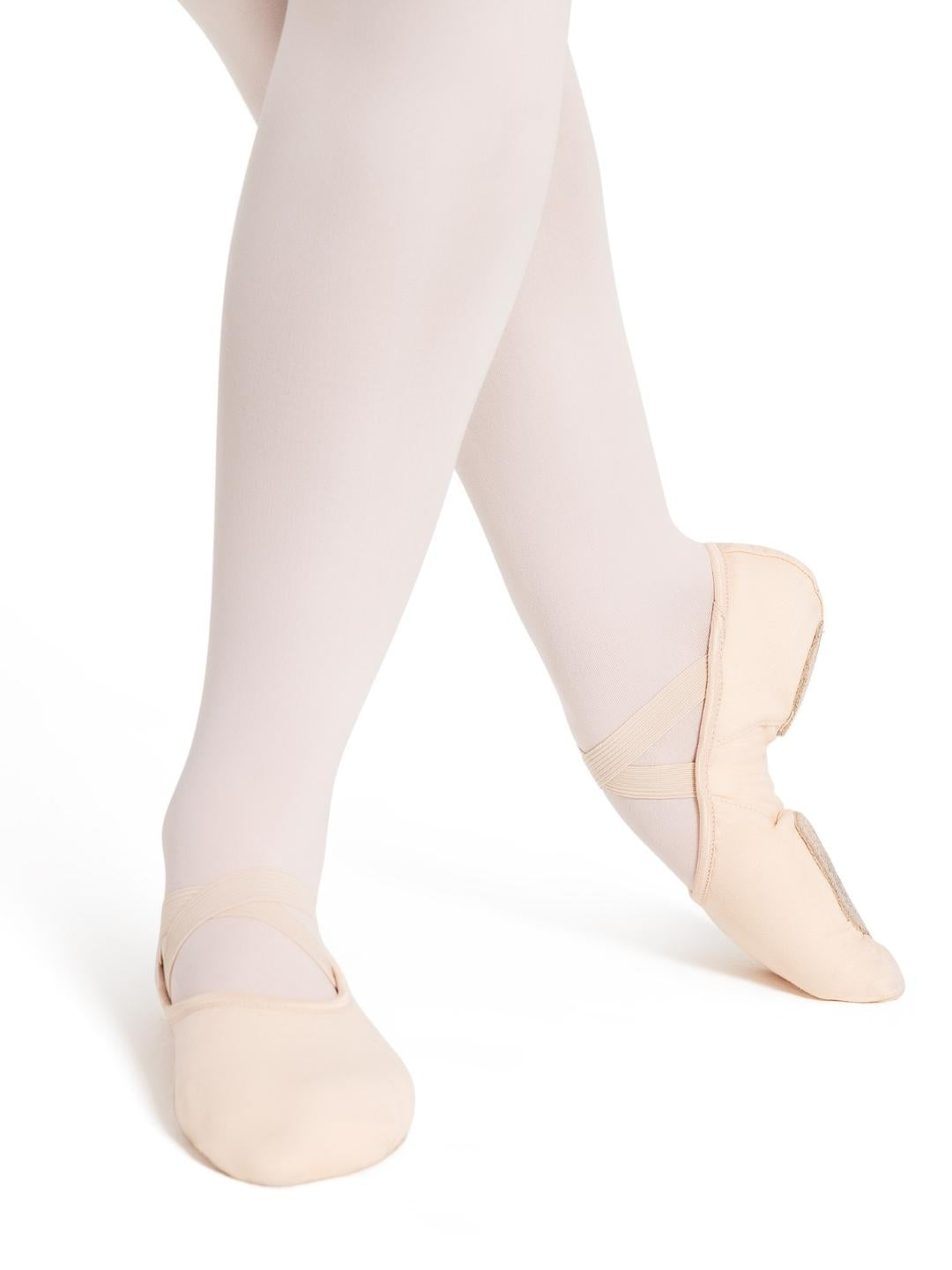


Finding the right ballet pointe shoes for NZ dancers is one of the most important decisions in a dancer's training. The wrong fit can cause pain, injury, and frustration. The right fit supports technique, builds confidence, and lasts the season. This guide covers what to look for, how sizing works, and what to expect at every stage of the process.
Why Pointe Shoe Fitting Is Different in New Zealand
New Zealand dancers often face a smaller local market, fewer specialist fitters, and limited in-store stock. That makes understanding the basics even more important before you buy. A well-informed dancer or dance parent can ask better questions, spot a poor fit quickly, and avoid costly mistakes.
Pointe shoes are not sized like street shoes. Australian and New Zealand sizing uses a combination of length, width, and vamp height. A dancer who wears a size 7 street shoe might wear a 4XX or a 5X in pointe shoes, depending on the brand and foot shape. Never guess. Always measure both feet and compare against the brand's specific size chart.
If you are preparing for a first fitting, browse our pointe shoes range to familiarise yourself with the brands and styles available before you visit a fitter or place an order.
Key Features to Understand Before You Buy
Shank Strength
The shank is the stiff inner sole that supports the arch when a dancer goes en pointe. Shanks are graded from soft to hard. Beginners and dancers with flexible feet often start on a medium shank. Stronger, more advanced dancers typically need a hard shank for adequate support. Using the wrong shank strength is a common cause of shin pain and poor alignment.
Toe Box Shape
The toe box encases the toes and determines how weight is distributed across the platform. Dancers with tapered feet, where the big toe is longest, suit a tapered or pointed box. Dancers with a square foot profile, where several toes are similar in length, do better with a wider, flatter platform. Getting this wrong puts uneven pressure on individual toes and causes blistering and long-term nail damage.
Vamp Length
The vamp is the length of the toe box from the platform to the throat of the shoe. A longer vamp gives more coverage and support. A shorter vamp suits dancers with a higher instep or those who prefer more freedom through the arch. Your teacher or fitter can advise which suits your foot profile and current level.
Width Fittings
Most pointe shoe brands offer multiple widths, typically ranging from narrow (C) to wide (XX or wider). A shoe that is too narrow will compress the toes. A shoe that is too wide allows the foot to slide and lose contact with the box, which reduces control and increases injury risk.
Best Pointe Shoes for NZ Dancers: What to Look For by Level
Beginner Dancers
A first pair of pointe shoes should prioritise fit over aesthetics. Look for a medium shank, a box shape that matches the foot profile, and a reputable brand your teacher recognises. Freed Classic, Bloch Aspiration, and Capezio Pavlova are common starting points. Your teacher's recommendation matters more than any online review.
Before going en pointe, many students spend time in pre-pointe training. If your teacher has recommended this stage, read our guide on what demi pointe shoes are and how they help before the transition to full pointe work.
Intermediate and Advanced Dancers
At this level, dancers usually have a clearer sense of their foot shape and what works. Hard shanks become more relevant. Some dancers move toward a split sole or a specific brand known to suit their arch profile. If you are upgrading, compare your current shoe against alternatives by shank grade, box shape, and platform width before switching brands entirely.
Preparing Your Pointe Shoes Once They Arrive
New pointe shoes need preparation before they are worn in class. Ribbons and elastics must be sewn on correctly to keep the shoe secure and prevent ankle rolling. If you have not done this before, our step-by-step article on how to sew ribbons and elastics onto pointe shoes covers placement, stitch type, and common mistakes to avoid.
Breaking in a new pair also requires care. Forcing the shank too quickly can damage the shoe and increase injury risk. Our beginner-friendly article on how to break in pointe shoes safely walks through the correct process, including which shortcuts to avoid.
Ordering Pointe Shoes Online for NZ Dancers
Ordering online is a practical option when local stock is limited. To get it right, measure your feet carefully using the brand's size chart, check the width options, and note the return or exchange policy before purchasing. If your dancer is between sizes, always size up and use padding to adjust the fit rather than squeezing into a smaller shoe.
We ship to New Zealand and stock a curated range of trusted brands. Shop our full selection of pointe shoes here and filter by brand, width, or shank strength to find the right starting point.


