


At Total Dance, Australia's home of premium dancewear, we know that choosing the right ballet skirt can feel surprisingly overwhelming. With so many styles, fabrics and lengths on offer, it's easy to end up with something that looks beautiful on the hanger but doesn't quite work in the studio. For New Zealand ballet students and their families, the challenge is finding quality dancewear that ships quickly, is priced clearly in NZD, and is backed by genuine expertise. That's exactly what this guide is here for.
Whether you're a dance mum shopping for your daughter's first RAD class or a serious student looking to upgrade your rehearsal wardrobe, this buying guide walks you through everything you need to know about ballet skirts, from style and fabric to fit and studio requirements.
Understanding Ballet Skirt Styles: Which One Suits Your Dancer?
Not all ballet skirts are created equal. The style you choose will depend on your dancer's age, level, class requirements and personal preference. Here's a breakdown of the most common styles you'll find in the Total Dance catalogue.
Wrap Skirts
Wrap skirts are a studio staple. They tie at the waist or hip, drape softly over the leotard and give a classic, graceful silhouette. Total Dance offers two excellent options in this style.
The Georgette Pull-On Ballet Wrap Skirt is a wonderful choice for younger students or those who prefer a no-fuss, pull-on waistband. It's quick to put on and stays in place throughout class. The Traditional Georgette Wrap Skirt features the classic front-tie or side-tie design beloved by ballet students at every level. Georgette fabric is semi-sheer, lightweight and moves beautifully, making it ideal for classical ballet training.
When choosing a wrap skirt, consider the length carefully. Shorter skirts that sit above the knee allow teachers to see leg lines and hip placement more easily, which is particularly important for students in graded exams. Longer wrap styles can be stunning for senior students but may not suit younger beginners whose teachers want to observe alignment.
Circle Skirts
Circle skirts have a fuller, more dramatic silhouette. The Julietta Chiffon Circle Skirt is a gorgeous option for performance, showcasing beautiful movement with every port de bras and pirouette. Chiffon is soft, flowing and catches the light in the most elegant way. Circle skirts tend to be best suited to intermediate and advanced students, as the fuller skirt can sometimes make it harder for teachers to assess technique in younger beginners.
Tutu Skirts
For younger students especially, a Tutu Skirt adds a touch of magic to class. Tutus are typically a firm, layered style and are more of a performance or novelty piece than an everyday training skirt. If your little dancer has a concert or end-of-year show, a tutu skirt makes the occasion feel truly special. For a wonderfully textured option, the Seven Layer Practice Tutu for Every Ballet Dancer offers a full, romantic look that's perfect for both practice and performance.
Character Skirts
If your child studies with a school that follows the RAD (Royal Academy of Dance) syllabus, a character skirt is a specific requirement at certain levels. The RAD Regulation Character Skirt Child & Adult is designed to meet RAD specifications exactly, so you can shop with confidence knowing it will be accepted in class and examinations.
Practice Skirts and Shorts
Some students and their teachers prefer a more streamlined look for technical training. The Mastery Dance Skirt bridges the gap between skirt and shorts, offering coverage with a sporty, modern silhouette. Pairing a skirt with well-fitting dance briefs or shorts underneath is always a good idea for comfort and modesty. Consider the Essential Wide Band Short, V Band Shorts or Hipster Dance Brief as layering pieces beneath any skirt style.
Key Buying Criteria: What to Look for in a Ballet Skirt
Once you've identified the style that suits your dancer, there are several practical factors to weigh up before you buy.
Fabric and Movement Quality
Georgette and chiffon are the gold standards for ballet skirts. Both are lightweight, semi-sheer and flow naturally with the body. Georgette is slightly more structured, while chiffon is softer and more delicate. For a skirt that will be worn repeatedly in class, georgette tends to be more durable. Chiffon is stunning for performance but requires careful handling in the wash.
Avoid heavy or stiff fabrics that restrict movement or create bulk around the hips. Ballet is a discipline that prizes clean lines and freedom of motion, and your skirt should support that rather than hinder it.
Waistband Fit and Security
A skirt that slips or rotates during class is a distraction and a frustration. Look for a waistband with a comfortable, secure fit: either an elasticated pull-on style or a well-constructed wrap tie. For younger dancers who may struggle with ties, the pull-on style is often more practical. Older students frequently prefer the traditional wrap tie for the ability to adjust the fit precisely.
Length and Coverage
Check your dance school's requirements before purchasing. Many studios specify skirt length, particularly for exam work. As a general guide, above-the-knee skirts are appropriate for most graded ballet classes, while longer styles are often reserved for character work, senior training or performance.
Colour and Dress Code
Ballet studios in New Zealand typically have specific uniform requirements. Pink, white, pale blue and black are the most common colours for ballet skirts. Always confirm your school's requirements before ordering. If your dancer has flexibility in colour choice, classic pink or white is a safe, timeless option that matches most leotards.
Care and Longevity
Dance skirts go through a lot: regular classes, rehearsals and performances. Choose a skirt with clear care instructions and a fabric that can handle gentle machine washing. Georgette skirts generally wash well on a delicate cycle. Chiffon pieces may need hand washing or a very gentle machine cycle and should be air-dried flat to preserve their shape.
Pairing Your Ballet Skirt: Building a Complete Dancewear Wardrobe
A ballet skirt looks its best when paired thoughtfully with the rest of your dancer's wardrobe. Here's how to build a cohesive, practical kit around your chosen skirt.
Leotards
The foundation of any ballet outfit is the leotard. Total Dance offers a wide range to suit every age and preference, including the Essential Camisole Leotard, Cap Sleeve Leotard, Essential 3/4 Sleeve Leotard and Essential Long Sleeve Leotard. Choose a style and colour that complements your skirt and meets your school's dress code. For a fresh, modern look, the Byanca Mesh Panel Dance Leotard offers a contemporary feel while remaining beautifully elegant.
Ballet Shoes
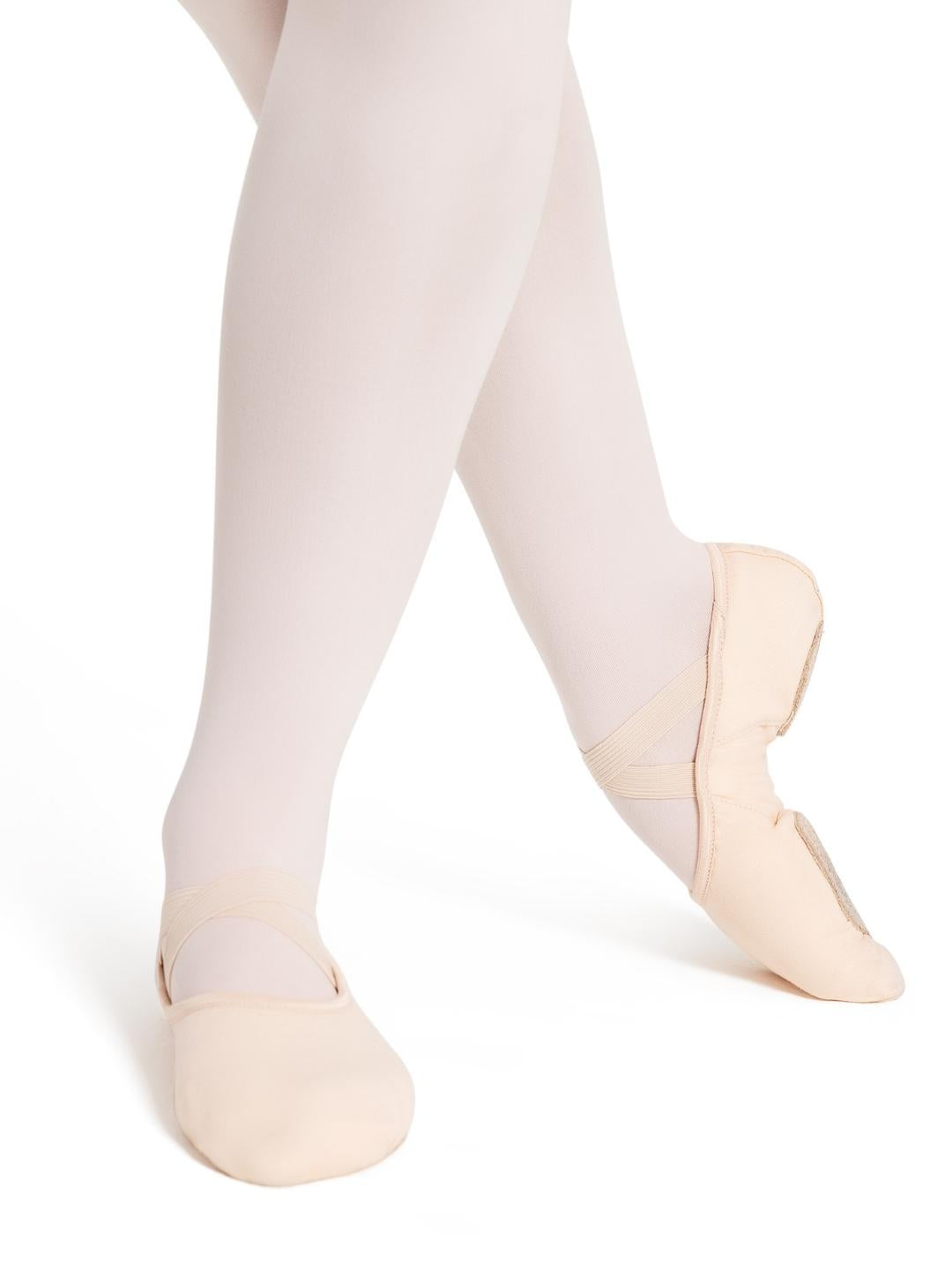
No ballet outfit is complete without the right footwear. You'll find a carefully curated selection of options in our ballet shoes range, covering beginner through to advanced levels. If you're weighing up brands, our detailed comparison of Bloch versus Capezio ballet shoes is a great place to start, helping you understand the differences in fit, construction and suitability for different feet. For NZ students specifically, our NZ ballet shoe buying guide covers sizing, fitting tips and what to expect at each stage of training.
Hair and Accessories
A neat bun is as much a part of ballet uniform as the skirt itself. The Ripple Pins 50 Pack 4.5cm Black, Ripple Pins 50 Pack 4.5cm Brown, Ripple Pins 50 Pack 4.5cm Gold and Ripple Pins 50 Pack 4.5cm Light Brown are essential for securing a bun that stays put through the most demanding class. The Bunheads Hair Nets Auburn is another must-have for a polished finish. For a touch of sparkle at concerts and performances, the Flat Diamante Headpiece or Flower Diamante Headpiece adds a beautiful finishing touch.
For a fun treat or gift, the Ballerina Keyring and Sign Me Bear are charming keepsakes that any young dancer will adore.
Dance Bags
Every dancer needs somewhere to stow their gear. The Legacy Tote Bag, Pretty Tote Bag and Duffle Dance Bag are all practical, stylish options that hold everything from ballet shoes and skirts to water bottles and hair accessories.
Shopping at Total Dance from New Zealand: What You Need to Know
We know that shopping for dancewear from New Zealand can sometimes feel uncertain, particularly around shipping times, costs and sizing confidence. Here's what to expect when you shop with Total Dance.
All prices on the Total Dance website are displayed in NZD, so there are no surprises at checkout. We offer free tracked shipping to New Zealand on orders over NZ$140, meaning your dancer's new skirt, leotard and accessories arrive safely, and you can follow the parcel every step of the way. Orders ship from our Melbourne warehouse and typically arrive within 5 to 10 business days.
If you're unsure which skirt style suits your dancer's level, our team is always happy to help. And if you're new to shopping for ballet shoes alongside your skirt, our guide to ballet crossover shoes versus traditional ballet shoes for NZ dancers is well worth a read before you add to cart.
Frequently Asked Questions
What is the best ballet skirt style for a beginner ballet student in NZ?
For beginners, a simple georgette wrap skirt or pull-on skirt is ideal. The Georgette Pull-On Ballet Wrap Skirt is a great starting point: it's easy to put on, comfortable to wear and gives teachers a clear view of the dancer's leg lines and hip placement. Always check your dance school's uniform requirements first.
Do I need a character skirt for RAD ballet exams?
Yes, if your dancer studies under the RAD syllabus, a regulation character skirt is required at specific grade levels. The RAD Regulation Character Skirt Child & Adult is designed to meet RAD specifications, so you can purchase with confidence. Check with your teacher about the exact grade at which a character skirt is introduced.
How long does shipping to New Zealand take from Total Dance?
Orders ship tracked from our Melbourne warehouse and typically arrive in 5 to 10 business days. Free tracked shipping applies to NZ orders over NZ$140, making it easy to bundle your ballet skirt with a few other essentials and enjoy the savings.
Can I wear a tutu skirt to regular ballet classes?
Tutu skirts are generally best reserved for performances, concerts or special occasions rather than everyday training. For regular classes, a georgette wrap skirt or circle skirt is more practical and typically preferred by teachers, as it allows for better assessment of technique. Check your studio's uniform policy if you're unsure.


